Container Gardening Mistakes Beginners Should Always Avoid Easily
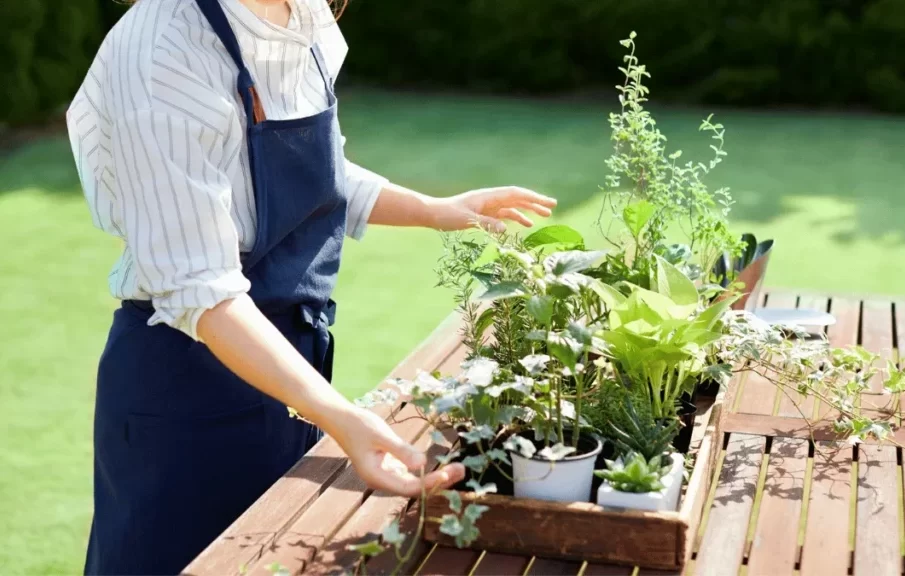
Container gardening offers a flexible and rewarding way to grow plants in small spaces such as balconies, patios, rooftops, and indoor corners. It allows beginners to control soil quality, sunlight exposure, and watering routines more easily than traditional ground gardening. However, many first time gardeners unknowingly make simple mistakes that limit plant growth and reduce long term success.
Understanding what to avoid is just as important as knowing what to do. With the right approach, container gardening becomes productive, efficient, and enjoyable.
Choosing Containers That Are Too Small
One of the most common beginner mistakes is selecting containers that are not large enough for plant roots to grow properly. Roots need space to expand in order to absorb water and nutrients effectively.
Small containers often cause:
- Restricted root development
- Faster soil drying
- Poor nutrient availability
- Stunted plant growth
Vegetables such as tomatoes, peppers, and cucumbers require deeper containers than herbs or leafy greens. Selecting appropriately sized containers ensures stronger root systems and healthier plants.
A helpful guideline is to match container depth with the mature root structure of the plant rather than its current size.
Ignoring Proper Drainage Requirements
Drainage plays a critical role in container gardening success. Without proper drainage holes, water accumulates at the bottom of containers and leads to root rot.
Poor drainage typically causes:
- Yellowing leaves
- Fungal infections
- Root decay
- Weak plant structure
Every container should include drainage holes at the base. If decorative containers do not have holes, they should be used as outer covers rather than primary planting containers.
Adding a drainage layer of coarse material at the bottom can also improve water movement through soil.
Using Regular Garden Soil Instead of Potting Mix
Many beginners assume that soil from their yard works well in containers. In reality, garden soil is too dense for potted plants and often lacks proper aeration.
Potting mixes are specially designed to:
- Improve airflow around roots
- Maintain balanced moisture levels
- Support nutrient retention
- Prevent compaction inside containers
Lightweight potting mixes allow roots to expand more easily and improve overall plant health. Using high quality potting mix significantly increases the chances of gardening success.
Overwatering Plants Too Frequently
Overwatering is one of the most damaging mistakes beginners make. Container plants require consistent moisture, but excessive watering suffocates roots by removing oxygen from the soil.
Signs of overwatering include:
- Drooping leaves despite wet soil
- Mold growth on soil surface
- Yellowing foliage
- Soft stems
Instead of following a fixed watering schedule, gardeners should check soil moisture regularly. Water only when the top inch of soil feels dry.
Learning to recognize plant specific watering needs prevents long term damage.
Underwatering During Hot Weather Conditions
While overwatering is common, underwatering can be equally harmful. Containers dry faster than ground soil because they are exposed on all sides to heat and air circulation.
Plants suffering from insufficient watering often show:
- Wilting leaves
- Dry soil pulling away from container edges
- Reduced flowering
- Slow growth
During summer months, some containers may require daily watering depending on plant type and sunlight exposure.
Monitoring environmental conditions helps maintain proper hydration levels.
Placing Containers in the Wrong Sunlight Location
Sunlight requirements vary widely between plant species. Beginners sometimes place containers wherever space is available rather than selecting locations based on plant needs.
Plants generally fall into three categories:
- Full sun plants needing at least six hours of sunlight daily
- Partial shade plants requiring filtered light
- Shade tolerant plants growing well in low light conditions
Incorrect placement leads to weak growth, fewer flowers, and reduced productivity.
Observing sunlight patterns across the day helps determine ideal container placement.
Forgetting to Fertilize Container Plants Regularly
Unlike garden soil, container soil loses nutrients quickly because watering washes minerals out through drainage holes. Many beginners assume potting mix alone provides long term nutrition.
Without proper fertilization, plants may develop:
- Pale leaves
- Weak stems
- Limited flowering
- Reduced fruit production
Balanced fertilizers support steady growth throughout the growing season. Liquid fertilizers are especially effective because they distribute nutrients evenly.
Consistent feeding schedules maintain soil fertility over time.
Crowding Too Many Plants Into One Container
Overcrowding reduces airflow between plants and increases competition for nutrients. While containers may appear spacious initially, plants expand quickly as they mature.
Overcrowded containers often result in:
- Slower plant development
- Increased disease risk
- Reduced yield
- Uneven growth patterns
Each plant should receive enough space to develop its natural shape without restriction.
Planning container layouts in advance helps prevent overcrowding issues.
Choosing the Wrong Container Material
Container material affects temperature regulation, moisture retention, and plant stability. Beginners sometimes select containers based only on appearance rather than functionality.
Common container materials include:
- Plastic containers that retain moisture longer
- Clay containers that allow better airflow
- Fabric containers that improve root aeration
- Wooden containers offering natural insulation
Matching container material with climate conditions improves plant performance significantly.
Understanding how materials influence soil behavior helps gardeners make better decisions.
Skipping Regular Pruning and Maintenance
Container plants require routine trimming to maintain shape and encourage healthy growth. Beginners often assume pruning is only necessary for large garden plants.
Regular pruning supports:
- Stronger branching structure
- Increased flowering
- Better airflow around foliage
- Removal of damaged leaves
Removing dead or overcrowded stems allows plants to focus energy on new growth.
Maintenance routines improve both plant appearance and productivity.
Ignoring Seasonal Changes Affecting Containers
Container plants respond quickly to seasonal temperature changes because they are not insulated by surrounding ground soil. Beginners sometimes overlook the impact of weather transitions.
Important seasonal adjustments include:
- Moving containers indoors during frost conditions
- Increasing watering frequency during summer heat
- Protecting roots from extreme temperature swings
- Adjusting fertilizer schedules based on growth cycles
Monitoring seasonal changes helps maintain plant health throughout the year.
Using Poor Quality Seeds or Weak Starter Plants
Healthy plants begin with strong genetic foundations. Beginners sometimes purchase inexpensive seeds or unhealthy seedlings without inspecting quality carefully.
Choosing reliable planting materials improves:
- Germination rates
- Disease resistance
- Growth speed
- Overall harvest success
Starting with healthy plants reduces frustration and increases confidence for new gardeners.
Investing in quality planting materials leads to better long term results.
Neglecting Pest Monitoring in Container Gardens
Container gardening does not eliminate pest risks. In fact, pests often spread quickly between nearby containers if not detected early.
Common container garden pests include:
- Aphids
- Spider mites
- Whiteflies
- Caterpillars
Routine inspections help identify early warning signs before infestations become severe.
Natural pest control methods such as rinsing leaves with water or introducing beneficial insects can protect container plants effectively.
Forgetting to Rotate Containers for Balanced Growth
Plants naturally grow toward available sunlight. When containers remain in the same position for extended periods, plants may lean in one direction.
Rotating containers periodically ensures:
- Balanced stem development
- Even leaf growth
- Improved structural stability
- Better overall appearance
Simple adjustments every few days can make a noticeable difference in plant symmetry.
Overlooking Labeling for Multiple Plant Varieties
When growing multiple plant types in containers, beginners often forget to label them. This makes it difficult to track watering needs, fertilization schedules, and sunlight preferences.
Clear labeling helps gardeners:
- Monitor plant progress accurately
- Identify growth patterns
- Apply correct care routines
- Maintain organized planting layouts
Keeping track of plant varieties supports better gardening outcomes over time.
FAQ Section
Can container gardening work indoors without natural sunlight
Yes, indoor container gardening can succeed using grow lights that provide the light spectrum plants need for photosynthesis.
How often should container soil be replaced completely
Container soil should usually be refreshed or replaced once every growing season to restore nutrients and improve structure.
Is it safe to reuse old containers for new plants
Old containers can be reused after cleaning them thoroughly to remove disease causing organisms and residue.
What types of vegetables grow best in containers for beginners
Leafy greens, herbs, radishes, and cherry tomatoes are among the easiest vegetables for container gardening beginners.
Do container plants need mulch like garden beds
Mulch helps container plants retain moisture and regulate temperature, especially during hot weather conditions.
Can rainwater replace regular watering for container gardens
Rainwater is beneficial for container plants, but containers should still be monitored to ensure proper drainage after heavy rainfall.
How can beginners prevent soil from drying too quickly in containers
Using larger containers, adding mulch, selecting moisture retaining potting mix, and adjusting container placement can reduce rapid soil drying.