How to Style a Dining Table Beyond Mealtime
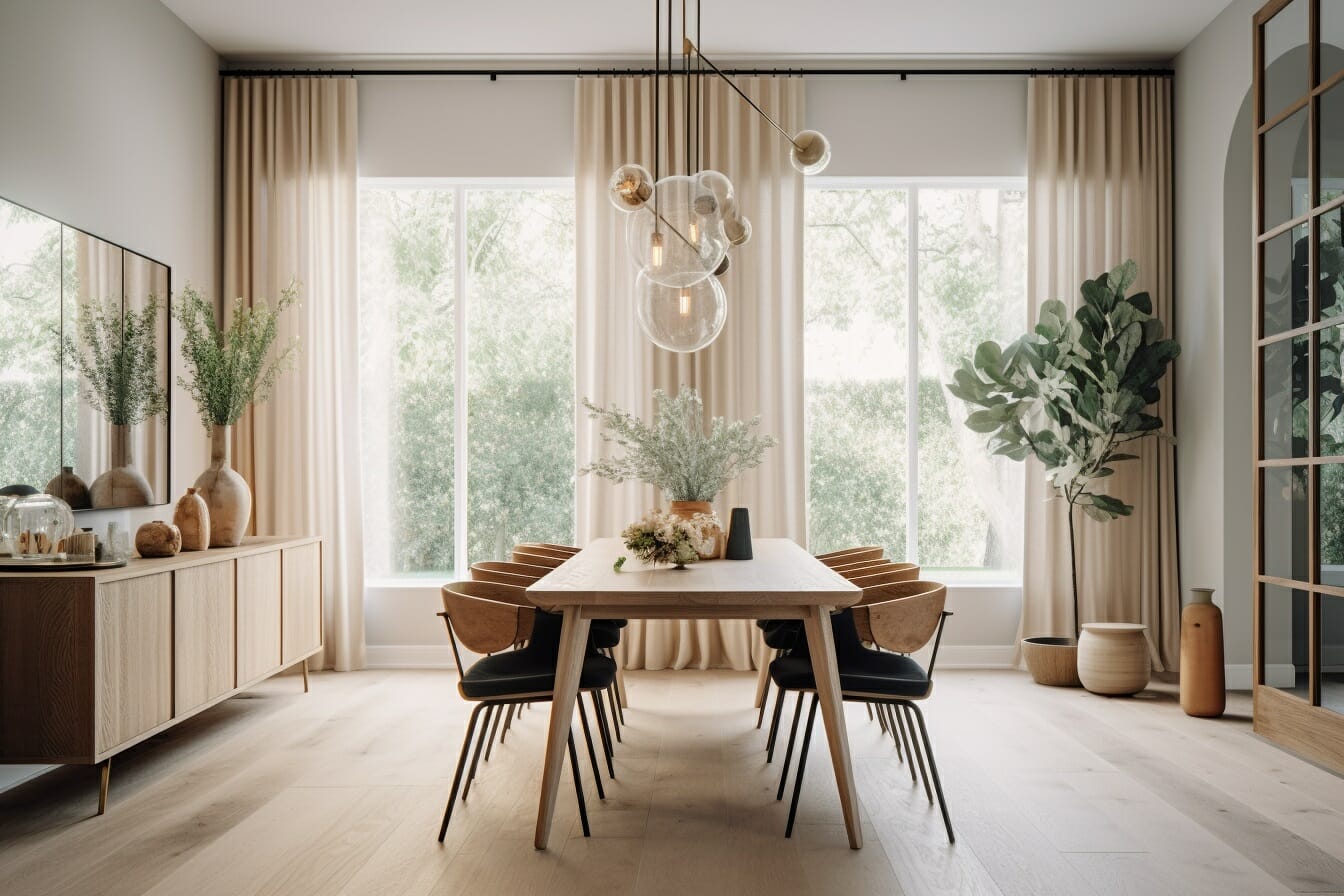
A dining table is not just for meals—it is a canvas for creativity, a gathering space, and an opportunity to enhance the atmosphere of your home. While its primary purpose is to host family dinners or dinner parties, it can also be styled in a way that reflects your personal taste and adds charm to your home, even when it’s not in use for eating. By considering the right décor elements and styling techniques, you can transform your dining table into an elegant focal point in your living space, whether it’s displaying fresh flowers or serving as a statement piece for seasonal celebrations. Here’s how to style your dining table beyond mealtime, ensuring it adds beauty and personality to your home at all times.
1. Use a Statement Centerpiece
A well-chosen centerpiece is one of the easiest ways to add style to your dining table. Whether it’s an arrangement of fresh flowers, a sculptural piece, or an elegant bowl, a centerpiece draws the eye and serves as a focal point. Seasonal flowers, for example, can bring color and freshness, while a vase of branches or dried arrangements offers a more subtle, organic touch.
Alternatively, for a more sophisticated look, consider a decorative tray with elegant objects such as candles, bowls, and books. The key is to choose a centerpiece that complements the overall style of the room. For a more contemporary dining area, a minimalistic geometric sculpture or sleek metallic bowl can add an air of refinement, while a rustic wooden vase with wildflowers suits a more natural, earthy setting.
2. Play with Table Linens
Table linens are not just for meal settings; they can be a great way to add texture, color, and dimension to your dining table. A table runner or cloth that drapes elegantly across the table can transform a bare surface into a stylish display. Choose linen or cotton for a soft, relaxed vibe, or go for a more luxurious fabric such as velvet or silk to elevate the space.
Additionally, napkins and placemats can also be layered for added visual interest. Folded napkins in elegant shapes or placed in ornate napkin rings can serve as a small but impactful styling detail. Be sure to coordinate the colors with your overall décor palette for a cohesive look.
3. Incorporate Candles for Ambience
Candles are an essential décor element that can dramatically change the mood of any room. On a dining table, they can be used to create a warm, welcoming atmosphere, whether for a special occasion or just for daily enjoyment. Tall, tapered candles in decorative holders can add a sense of elegance, while short, wide candles in pretty glass jars bring a more casual yet charming feel.
For a truly refined look, consider using a candle holder or candelabra as a centerpiece. A set of candles in different heights arranged in a visually balanced way can add depth and interest. For those with more space, consider using a long, elegant row of candles that stretches the length of the table, adding an impressive touch without overwhelming the space.
4. Add Personal Touches with Decorative Objects
Styling a dining table beyond mealtime is all about making it an extension of your personal taste. Consider incorporating small, meaningful decorative objects that add personality and style. For example, a stack of beautifully bound books can add intellectual appeal, while vintage glassware or unique pottery can create visual intrigue.
Objects like bowls filled with seasonal fruits, seashells, or even vintage collectibles can make a space feel inviting. Mix and match objects of varying sizes, colors, and materials to create a visually dynamic display that feels both curated and effortless.
5. Embrace Seasonal Changes
Your dining table can evolve throughout the year, reflecting the seasons and any special occasions that come your way. During the winter months, try styling the table with festive elements such as garlands, wreaths, and sparkling décor. A simple winter theme can be achieved with a combination of pine cones, berries, and metallic candle holders.
In spring, fresh flowers or potted plants will introduce vibrancy and freshness to your table. Summer can be an opportunity to experiment with brighter colors and light, breezy fabrics, while autumn provides the perfect excuse for incorporating rich, warm tones like burgundy, mustard, and deep green. Incorporating these seasonal elements ensures your dining table is never static and remains relevant throughout the year.
6. Show Off Beautiful Tableware and Glassware
Even when the table isn’t set for a meal, showcasing beautiful tableware can make a striking impression. Consider displaying elegant dinnerware, such as vintage china, or contemporary plates in unique patterns. You don’t need to wait for special occasions to use these items; displaying them as décor adds personality to your dining space.
In addition, glassware such as crystal wine glasses or decanters can serve as decorative pieces on their own. When arranged thoughtfully, they can add sparkle and visual interest. Consider placing a decanter of wine or water in the center of your table as a sophisticated and practical touch.
7. Use a Table Tray for an Organized Look
If you prefer a more streamlined, tidy approach, a decorative tray can help organize items and create a polished look. Choose a tray that suits your table’s style—perhaps a simple wooden tray for a rustic touch or a glossy marble tray for a more luxurious feel. Trays can hold candles, decorative bowls, small plants, or even a collection of elegant items like perfume bottles or art books. By grouping these objects together on a tray, you not only create a clean look but also make the display feel intentional and cohesive.
8. Incorporate Natural Elements
Natural elements can bring warmth and life to your dining table. Think about incorporating plants or fresh herbs, which are easy to care for and help keep the space feeling fresh. A few potted succulents or a small indoor plant in a decorative pot can add greenery without overwhelming the table. If you’re looking for a more rustic touch, consider a long wooden tray filled with smooth stones, pinecones, or shells.
Natural objects, especially those that change with the seasons, offer a dynamic way to keep your table looking interesting without needing to constantly rearrange the décor.
9. Layer Textures for Depth
Layering textures is one of the best ways to add depth and interest to your dining table. This can be achieved by mixing various materials such as glass, wood, metal, and fabric. For example, you could place a glass vase atop a linen table runner, then scatter wooden coasters and metallic candle holders around it. The juxtaposition of smooth glass, soft linen, and hard metal creates a visually stimulating experience.
The key is to balance different textures without overwhelming the table. Keeping it simple with two or three complementary textures can add richness without creating visual clutter.
10. Keep It Practical
While styling your dining table for aesthetic appeal is important, remember that practicality should not be sacrificed. Consider your everyday needs when choosing what to display. For example, a bowl of fresh fruit is both attractive and functional, while a small jar of salt or a decorative tray of napkins might come in handy during impromptu gatherings.
By balancing decorative elements with practicality, your dining table can be both a work of art and a useful space for everyday life.