The Art of Choosing the Perfect Mouldings for Your Space
Decorating a room requires careful attention to small structural details. The walls and ceilings often form the basic shell of a property, but the transition between them defines the true character of an interior. Traditional Thai architecture has long celebrated this concept through intricate woodwork and beautifully carved timber frames that highlight doorways and windows.
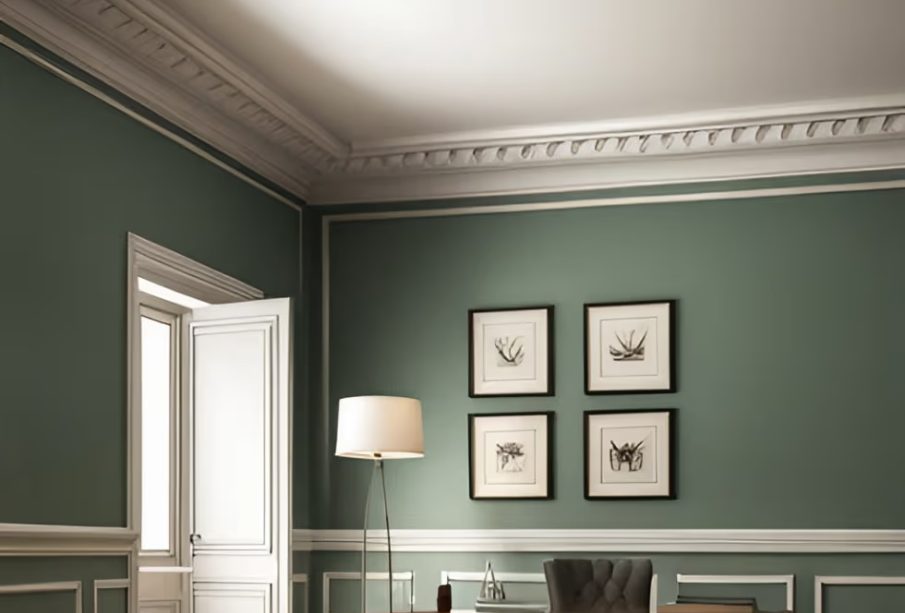
Today, bringing that sense of architectural elegance into modern homes does not require commissioning an artisan for months of manual labour. You can easily find high-quality options that fit your vision perfectly. Incorporating Ready-made moulding (known as บัวสำเร็จรูป in Thai) allows you to add depth and historical charm to any room while keeping installation timelines entirely manageable for your renovation schedule.
Understanding how to select the right trim ensures your home feels cohesive and welcoming. By considering the unique climate and aesthetic heritage of Thailand, you can choose architectural profiles that complement both modern city condominiums and traditional wooden properties beautifully.
Respecting Traditional Thai Design
Thai interiors often highlight natural materials and exceptional craftsmanship. Beautiful timbers like teak (mai sak) have dominated local architecture for centuries. When you pick trims and cornices, look for profiles that echo this rich heritage. Simple, elegant lines work beautifully in minimalist spaces, while subtly curved profiles pay homage to the soft, organic shapes seen in classic Thai woodcarving. You do not need overly complex patterns to create a strong visual impact; a well-proportioned cornice bridges the ceiling and the wall seamlessly.
Finding the Right Materials for the Tropics
Humidity plays a significant role in Southeast Asian interiors. Solid wood offers undeniable authenticity and warmth, but it requires proper treatment to resist moisture and local pests. Alternatively, modern composite materials provide excellent water resistance and remain completely stable during the heavy rainy season. These synthetic options often mimic the grain of natural timber so effectively that they blend straight into a traditionally styled room without warping or cracking over time.
Colour and Finish
In classic Thai homes, craftsmen often left the wood unpainted, allowing the rich, natural golden-brown tones to shine through. To replicate this warmth, you can choose stained timber profiles that highlight the natural grain. If you prefer a highly contemporary look, painting your trims in a crisp white or a soft, neutral shade creates a striking contrast against vibrant wallpaper or rich wall colours.
Scaling to Fit Your Space
Proportion determines how natural a cornice or skirting board looks in your home. Traditional Thai houses typically feature high ceilings to encourage air circulation. If you live in a property with similar airy proportions, you should choose taller, thicker trims to anchor the space effectively. Conversely, modern city apartments usually feature lower ceilings. In these environments, thin, understated trims prevent the room from feeling cramped while still providing a finished, elegant appearance.
The right architectural trims bring a sense of completed elegance to your interiors. By thoughtfully pairing materials that withstand the tropical climate with designs that respect local heritage, you create a harmonious living environment. Take the time to measure your rooms, test a few physical samples against your walls, and watch how the natural daylight interacts with the shapes throughout the day before making your final selection.