How to Create a Scandinavian-Inspired Interior
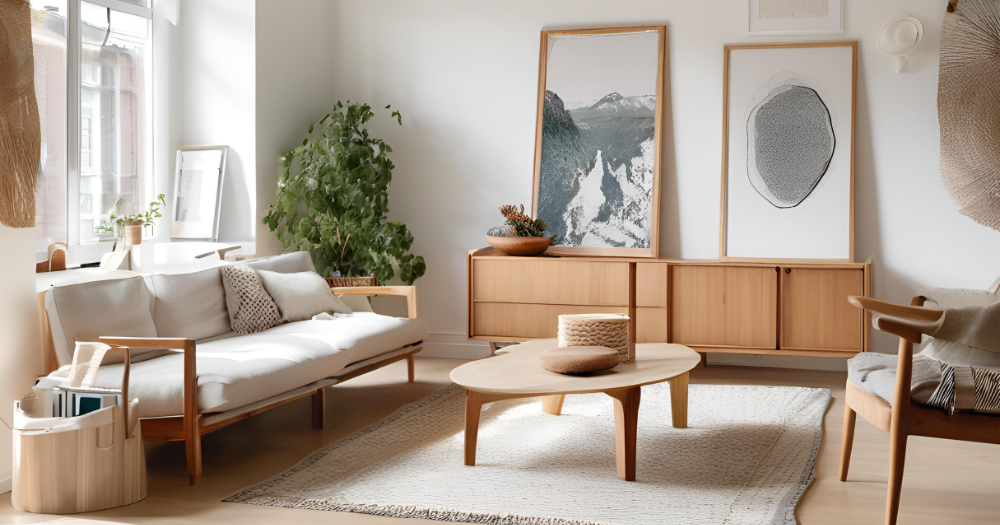
Scandinavian design has become synonymous with simplicity, functionality, and a soothing, minimalist aesthetic. Originating in the Nordic countries of Denmark, Sweden, Norway, Finland, and Iceland, this style embraces clean lines, natural materials, and a palette inspired by nature. The goal of Scandinavian design is to create spaces that feel light, airy, and functional—perfect for modern living while also promoting relaxation and well-being.
If you’re looking to incorporate a Scandinavian-inspired interior into your home, here’s a detailed guide on how to achieve the perfect balance of style and comfort.
1. Focus on Minimalism and Functionality
At the heart of Scandinavian design is the principle of minimalism. The idea is to strip away excess, opting for furniture and decor that are not only aesthetically pleasing but also highly functional. Every item should serve a purpose. This doesn’t mean sacrificing comfort, but rather, selecting items that enhance the space without overwhelming it.
Start by decluttering your home. Keep only items that add value or are essential to daily life. When it comes to furniture, choose pieces with clean lines, simple shapes, and muted colors. Think of a soft, neutral sofa with wooden legs, or a dining table with a minimalist design. The key is to avoid ornate, overly decorative items and instead focus on furniture that is both practical and beautiful.
2. Embrace Light, Neutral Colors
A light and neutral color palette is a defining feature of Scandinavian interiors. White, light grey, beige, and soft pastels dominate Scandinavian design, creating an atmosphere that feels open, fresh, and serene. These colors reflect light, making rooms appear larger and brighter, which is especially important in the Nordic countries where long winters and limited sunlight are common.
While the base colors tend to be neutral, adding accents in muted tones like soft blue, earthy greens, or dusty pinks can introduce subtle warmth and interest. Use these accents for throw pillows, rugs, and artwork. A Scandinavian-inspired room might feature a white wall, a pale grey sofa, and light wood furniture, with touches of color introduced through textiles.
3. Incorporate Natural Materials
Scandinavian design draws inspiration from nature, so natural materials like wood, stone, wool, and leather play a central role. Wood is particularly prominent, with light woods such as oak, birch, or pine often used for flooring, furniture, and accessories. This warmth of wood adds depth and texture to the space without overwhelming it, and it beautifully complements the light color palette.
For a true Scandinavian feel, incorporate wooden elements into every room. Opt for a wooden dining table, a shelving unit made from reclaimed timber, or natural wood frames for artwork. In addition to wood, consider integrating textiles such as wool throws or sheepskin rugs to soften the space and add tactile comfort.
4. Keep the Space Functional and Organized
One of the defining characteristics of Scandinavian design is the emphasis on practicality and organization. Storage solutions are both creative and functional, often built into furniture pieces to maintain the minimalist aesthetic. Look for multifunctional furniture such as ottomans that double as storage or side tables with hidden compartments.
An organized space is vital for maintaining the calm, airy feeling of a Scandinavian-inspired home. Install shelves, cabinets, and baskets to keep clutter at bay, and choose furniture with clean, simple lines that don’t overwhelm the space. When designing your home, think about how each item can serve more than one purpose.
5. Add Cozy Textures and Warmth
Although Scandinavian interiors are minimalist, they are far from cold or sterile. One of the hallmarks of Scandinavian design is the concept of “hygge,” a Danish term that refers to coziness, comfort, and contentment. To achieve this warmth in your home, layer textures in your furniture and decor.
Consider incorporating soft wool throws, chunky knit blankets, and plush cushions. A sheepskin rug or faux fur accents will add a cozy, tactile element to your living room or bedroom. Additionally, incorporating soft lighting, such as candles or table lamps, will create a warm and inviting atmosphere. Scandinavian homes are known for their embrace of natural light, but when daylight fades, it’s important to create a warm, soothing ambiance using various light sources.
6. Use Statement Lighting Fixtures
Lighting plays a crucial role in Scandinavian design. Since much of the year in Nordic countries is spent in darkness, lighting is not only functional but also an important design element. Scandinavian lighting is often minimalist yet bold, with fixtures that serve as both decorative and practical pieces.
Opt for statement lighting fixtures such as sleek, modern pendant lights or geometric floor lamps. You can also incorporate table lamps with clean lines and elegant designs. The goal is to keep lighting simple and functional while making it a focal point of the room. For added warmth, candles in simple holders are a must-have in any Scandinavian-inspired space.
7. Bring the Outdoors In
Nature is an integral part of Scandinavian design, so incorporating plants and greenery into your interior is essential. Plants bring life to a room, improve air quality, and enhance the overall sense of tranquility in the space. Choose low-maintenance plants like ferns, succulents, or snake plants for a modern touch, or introduce larger indoor trees like fiddle leaf figs for a more dramatic look.
In addition to plants, consider using natural materials like stone or clay in your home decor. A stone vase, clay planters, or terracotta sculptures can add a grounded, earthy feel to your space.
8. Keep Artwork Simple and Meaningful
Artwork in Scandinavian homes is typically simple, minimalist, and often nature-inspired. Choose artwork that complements your neutral palette, such as black-and-white photographs, abstract pieces, or illustrations that focus on natural landscapes.
The key is to avoid overwhelming the walls with too much decoration. Opt for a few meaningful pieces that tie the room together and add a personal touch. If you prefer a more modern look, consider abstract art or minimalist prints in muted tones. Frameless pictures or simple wooden frames will help maintain the clean lines characteristic of Scandinavian design.
9. Create a Sense of Balance and Calm
At its core, Scandinavian design is all about creating a peaceful and balanced environment. Avoid overcrowding your space with too many items. Instead, focus on creating an intentional, balanced layout where each piece serves a purpose. The idea is to create harmony by pairing functional pieces with simple, elegant accents.
When choosing furniture, prioritize pieces that promote a sense of openness. For example, open shelving or furniture with legs allows the space to feel more expansive and light. Keep your color scheme consistent, use natural materials, and maintain a clutter-free environment to preserve the calming atmosphere.