How to Save on Energy Bills with Your HVAC System
Energy bills are often one of the largest monthly expenses in both homes and businesses, with heating and cooling systems consuming a significant portion of energy usage. However, there are several strategies to optimize your HVAC system’s performance, reduce energy consumption, and lower your utility bills without compromising comfort. Whether you’re living in a hot, humid climate or enduring cold winters, an efficient HVAC system can be a game-changer for both your budget and environmental footprint. Below are the key steps to help you save on energy bills while ensuring that your HVAC system operates at its best.
1. Regular Maintenance and Inspections
One of the most straightforward ways to enhance the efficiency of your HVAC system is through regular maintenance. Systems that are well-maintained operate more efficiently and use less energy to heat or cool your space. It’s advisable to schedule routine inspections with a qualified technician at least once a year. During these inspections, the technician will check for common issues like clogged filters, refrigerant leaks, or malfunctioning components, all of which can lead to energy inefficiency.
For homeowners, changing your air filters regularly (every 1-3 months) is another simple yet highly effective way to keep your HVAC system running smoothly. Clogged filters make your system work harder, reducing airflow and forcing the system to consume more energy to achieve the desired temperature.
2. Upgrade to a More Efficient HVAC System
If your system is older, it may be time to consider upgrading to a more energy-efficient model. Older HVAC systems often use outdated technology that requires more energy to provide the same level of comfort as newer models. Modern systems are equipped with advanced features such as variable-speed motors, smart thermostats, and better insulation, all of which enhance efficiency.
When shopping for a new HVAC system, look for Energy Star certified models. These systems have been designed to meet strict energy efficiency guidelines set by the U.S. Environmental Protection Agency and the Department of Energy. An energy-efficient model will not only reduce your energy consumption but also pay for itself over time through lower utility bills.
3. Utilize Programmable Thermostats
A programmable thermostat is one of the easiest and most effective ways to save on energy bills. These devices allow you to set specific temperatures for different times of the day or days of the week, ensuring that your HVAC system isn’t running when you don’t need it.
For example, you can program your thermostat to lower the temperature when you’re not at home during the day and raise it right before you return. Similarly, you can set the thermostat to reduce heating or cooling during the night when you’re asleep. This simple adjustment can significantly reduce your system’s workload and energy consumption.
In addition to programmable thermostats, there are now smart thermostats that learn your habits and adjust the temperature automatically. Some of the more advanced models can even be controlled remotely from your smartphone, providing added convenience and control.
4. Seal Leaks and Improve Insulation
Air leaks around doors, windows, and ducts can contribute to significant energy loss, causing your HVAC system to work harder than necessary. Sealing these leaks can help maintain a more consistent indoor temperature and reduce the workload on your heating and cooling systems.
Start by inspecting common problem areas like the edges of windows, doors, and the attic. Weatherstripping, caulking, and door sweeps are simple and cost-effective solutions to seal these gaps. If you have ductwork, check for any holes or cracks and seal them with duct tape or mastic sealant.
In addition to sealing air leaks, improving insulation throughout your home will also prevent heat from escaping in the winter and keep cool air inside during the summer. Consider adding insulation to areas such as the attic, walls, and basement to ensure that your HVAC system doesn’t have to work harder than necessary.
5. Use Ceiling Fans for Air Circulation
Ceiling fans can be an excellent supplement to your HVAC system, helping to maintain comfort while using less energy. During the warmer months, ceiling fans can circulate cool air, allowing you to raise the temperature on your thermostat without sacrificing comfort. This can reduce the need for air conditioning and lower your energy consumption.
In colder months, most ceiling fans can be reversed to circulate warm air that tends to rise toward the ceiling. This simple adjustment helps to distribute the warm air more evenly throughout the room, reducing the demand on your heating system and improving overall comfort.
6. Close Vents and Doors in Unused Rooms
Heating and cooling every room in your home can be inefficient, especially if some rooms are rarely used. By closing vents and doors in unused rooms, you can direct the airflow to areas where it’s needed most. This helps to ensure that your HVAC system doesn’t waste energy conditioning spaces that don’t require it.
However, it’s important to note that if you have a central air system, closing too many vents can lead to pressure imbalances, causing the system to work harder. It’s a good idea to focus on sealing off individual rooms that are completely unused, rather than blocking off too many vents.
7. Properly Size Your HVAC System
Having the right-sized HVAC system is essential for both comfort and efficiency. An oversized system will cycle on and off too frequently, leading to unnecessary energy use and more wear and tear on the system. Conversely, an undersized system will have to work overtime to meet your heating or cooling demands, resulting in higher energy bills.
When installing or replacing an HVAC system, always consult a professional to ensure that the unit is properly sized for your home. Factors like the size of your home, the number of windows, insulation levels, and local climate should all be taken into account when determining the appropriate system size.
8. Use Zoning Systems
Zoning systems are another excellent way to reduce energy consumption and tailor your HVAC system’s performance to different areas of your home. These systems allow you to create different zones in your house, each with its own thermostat. By doing so, you can adjust the temperature in rooms that are frequently used and avoid wasting energy on rooms that are rarely occupied.
For instance, you can set a cooler temperature for the kitchen and living areas while keeping the bedrooms at a slightly warmer setting, optimizing energy use across different zones of the house.
9. Regularly Clean HVAC Components
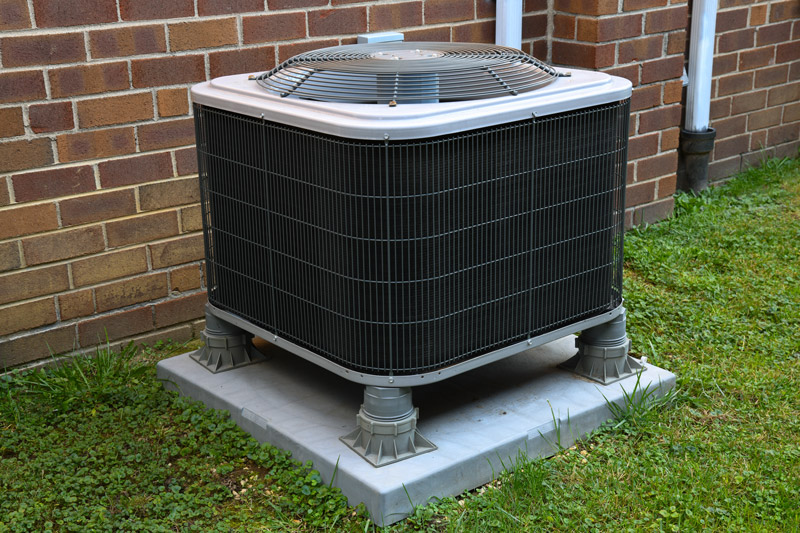
Keeping your HVAC components clean is essential for efficient operation. Dust, dirt, and debris can accumulate over time, clogging air filters, evaporator coils, and condensers, all of which impede airflow and force the system to work harder. Regularly cleaning or replacing filters, vacuuming vents, and ensuring that the evaporator and condenser coils are free from dirt can help your system run more efficiently.
10. Invest in Solar Panels
For those looking for a long-term solution to reduce energy consumption, installing solar panels can be an excellent investment. By harnessing the power of the sun, solar panels can significantly reduce your reliance on grid electricity, cutting your energy bills and helping to offset the costs of running your HVAC system. In many cases, homeowners can also take advantage of tax incentives and rebates, making the initial investment more affordable.
11. Conclusion
By following these tips and optimizing your HVAC system, you can significantly reduce your energy consumption and lower your utility bills without sacrificing comfort. From regular maintenance and upgrading to energy-efficient systems to simple practices like sealing leaks and using programmable thermostats, every step you take towards energy efficiency has the potential to make a noticeable difference. As energy costs continue to rise, these smart adjustments will not only save you money but also contribute to a more sustainable and eco-friendly living environment.