Creating a Butterfly Garden: Essential Plants and Tips for Success
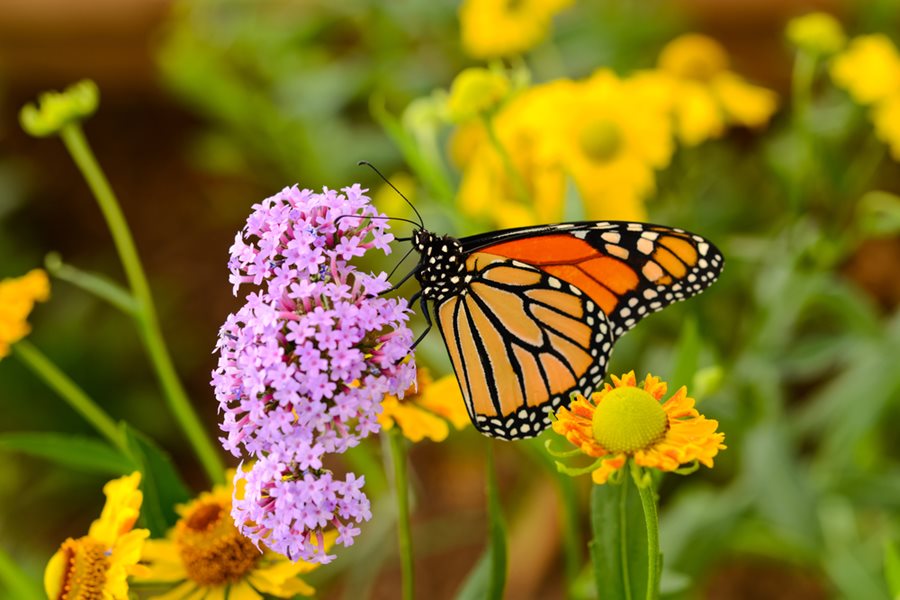
Butterflies are not only a delightful sight in gardens; they also play a vital role in pollination and the overall health of our ecosystems. Creating a butterfly garden provides a haven for these beautiful insects, encouraging them to visit and thrive. If you’re interested in cultivating a butterfly-friendly space, this guide will walk you through the essential plants and practical tips to design a vibrant and inviting butterfly garden.
Understanding Butterfly Needs
Before selecting plants for your butterfly garden, it’s crucial to understand the basic needs of butterflies. They require two main types of plants: nectar plants for feeding and host plants for laying eggs. By incorporating both types, you can create a supportive environment that nurtures butterflies at various life stages.
1. Nectar Plants
Nectar plants are the flowers that butterflies feed on. They are rich in nectar, providing the energy butterflies need for their life cycle. Choose plants that bloom at different times throughout the growing season to ensure a continuous food source.
Recommended Nectar Plants:
- Butterfly Bush (Buddleja davidii): Known for its fragrant spikes of flowers, the butterfly bush attracts a wide variety of butterflies. It blooms from summer to fall, offering a late-season nectar source.
- Milkweed (Asclepias spp.): Essential for monarch butterflies, milkweed not only provides nectar but also serves as a host plant for their larvae. Its clusters of pink or orange flowers are attractive to many pollinators.
- Coneflower (Echinacea spp.): With its large, daisy-like flowers, coneflowers are resilient and bloom from mid-summer to fall, making them a reliable nectar source.
- Lantana (Lantana camara): This drought-tolerant plant produces small, colorful flower clusters that are particularly attractive to butterflies and bloom from spring to frost.
2. Host Plants
Host plants are crucial for the butterfly life cycle. Female butterflies lay their eggs on these plants, providing food for the caterpillars once they hatch. It’s important to select host plants specific to the types of butterflies you wish to attract.
Recommended Host Plants:
- Milkweed (Asclepias spp.): As mentioned earlier, milkweed is the primary host plant for monarch butterflies. It’s vital to include in any butterfly garden aimed at supporting monarchs.
- Parsley (Petroselinum crispum): This herb serves as a host for the black swallowtail butterfly. It’s also a great addition to your kitchen garden.
- Fennel (Foeniculum vulgare): Another host plant for black swallowtails, fennel adds a lovely feathery texture to your garden.
- Willow (Salix spp.): Various species of willows are favored by many butterfly species for egg-laying.
Choosing the Right Location
Selecting the right location for your butterfly garden is critical for its success. Butterflies are attracted to sunny areas where they can warm up, so choose a spot that receives at least six hours of sunlight each day.
Additional Considerations:
- Shelter: Provide some shelter from strong winds using fences, shrubs, or trees. This protection helps butterflies feel safe and encourages them to linger.
- Water Source: Butterflies need water, but they prefer shallow sources. Create a butterfly puddling station by filling a shallow dish with sand and water, allowing butterflies to sip safely.
Designing Your Butterfly Garden
When designing your garden, aim for a diverse planting scheme. Mixing plant heights, colors, and bloom times will create a visually appealing space that attracts a variety of butterflies.
Tips for Garden Layout:
- Group Plantings: Plant nectar and host plants in clusters. Butterflies are more likely to find and visit them in groups rather than scattered throughout the garden.
- Layering: Incorporate plants of varying heights to create layers. Taller plants can provide shade and shelter for smaller ones, fostering a more diverse ecosystem.
- Continuous Bloom: Select a variety of plants that bloom at different times to ensure a steady supply of nectar from spring through fall.
Maintenance Tips
Maintaining a butterfly garden requires some care, but the rewards are well worth the effort.
Key Maintenance Practices:
- Watering: Ensure that your plants are well-watered, especially during dry spells. However, avoid overwatering; healthy soil should retain moisture but not become waterlogged.
- Weeding: Regularly remove weeds that compete with your plants for nutrients and water. However, be mindful of not disrupting host plants that butterflies may depend on.
- Pesticide Use: Avoid using pesticides, as they can harm butterflies and other beneficial insects. Instead, consider organic pest control methods, such as introducing natural predators or using insecticidal soap.
- Cutting Back: At the end of the growing season, trim back dead or overgrown plants. Leaving some plant stalks and seeds can provide food and shelter for overwintering butterflies.
Educational Opportunities
Creating a butterfly garden also presents an opportunity for education. Involve children and adults in the process of planting and caring for the garden. Observing the life cycle of butterflies, from caterpillar to chrysalis to adult, can foster a deeper appreciation for nature and biodiversity.
Consider setting up a small area for observation where visitors can watch butterflies feeding and laying eggs. Adding educational signage about the various plants and butterflies can enhance the experience.
By thoughtfully selecting plants and creating a welcoming environment, you can develop a thriving butterfly garden that not only enhances your landscape but also supports these vital pollinators. Embrace the art of gardening for butterflies, and enjoy the beauty and serenity they bring to your outdoor space.