How to Maintain Your Bathroom’s Cleanliness and Hygiene
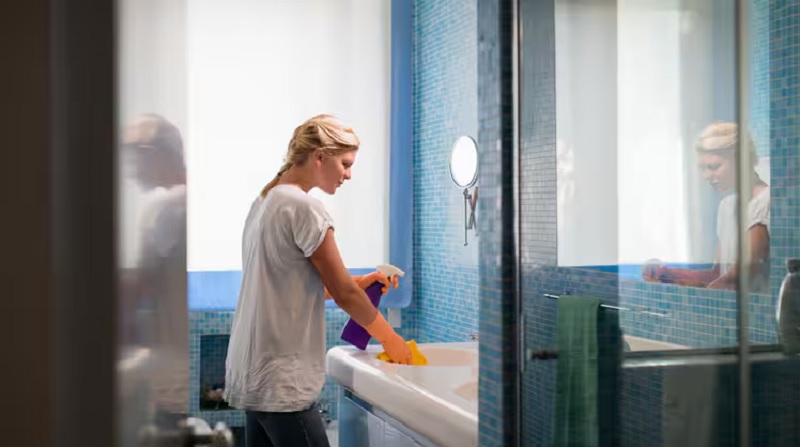
A bathroom is one of the most frequently used spaces in any home, making its cleanliness and hygiene paramount to the well-being of the people who use it. Whether it’s for a quick morning routine or a relaxing evening soak, a clean bathroom provides a sense of comfort and peace of mind. However, maintaining cleanliness in this high-traffic area can be a challenge, as bathrooms are constantly exposed to moisture, soap scum, dirt, and bacteria. To keep your bathroom in top condition, it’s essential to develop a cleaning and maintenance routine that addresses both aesthetic appeal and hygiene.
When choosing a care service, professionalism and trust are essential—qualities that define Diamond Home Support in Woking. They offer not just cleaning, but also companionship and home assistance, making them a valuable lifeline for those needing extra help around the house while living independently.
In this post, we’ll outline the best strategies to maintain a hygienic, spotless bathroom that is always ready for use.
1. Regularly Clean and Disinfect Surfaces
The key to keeping your bathroom hygienic is ensuring that surfaces, especially high-touch areas, are cleaned and disinfected regularly. This includes countertops, faucets, light switches, and door handles, which all come into contact with germs and bacteria. Using a disinfectant that is effective against common bathroom germs is important for preventing the spread of illness.
- Faucets and Sink: Clean the sink and faucets with a non-abrasive cleaner to remove soap scum, toothpaste, and water spots. Be sure to wipe down the faucet handles as well, as they tend to accumulate germs.
- Shower and Tub: The shower area is a hotspot for mold and mildew. After every use, wipe down the shower walls and tub with a squeegee to prevent water buildup. Use a bathroom cleaner with mold-fighting ingredients to scrub down the grout and tiles regularly.
- Toilet: The toilet is one of the most germ-ridden areas of the bathroom, and it’s essential to clean it thoroughly. Disinfect the toilet bowl, seat, and outer rim with a toilet-specific cleaner, and make sure to regularly sanitize the flush handle, which is often overlooked.
By incorporating a daily wipe-down of high-use areas, you can significantly reduce the buildup of germs and grime, keeping your bathroom fresh and hygienic.
2. Ventilation Is Key
Proper ventilation is crucial in a bathroom, as it helps control moisture levels and prevents the growth of mold and mildew. After a shower or bath, humidity can linger in the air, which fosters the perfect environment for mold to grow. An exhaust fan or an open window is essential for maintaining a dry and hygienic bathroom.
- Exhaust Fans: Ensure that your exhaust fan is functioning properly and clean it regularly to maintain its efficiency. Run the fan for at least 20 minutes after every shower to expel moisture and prevent it from settling on surfaces.
- Natural Ventilation: On days when weather permits, open a window or door to let fresh air circulate. This will help reduce humidity levels and keep the air in your bathroom fresh.
By promoting good airflow, you can reduce moisture and prevent the growth of bacteria, mold, and mildew.
3. Organize and Declutter Your Bathroom
A tidy bathroom is easier to clean and maintain, as clutter can create hidden spaces where dust and grime accumulate. Keeping bathroom counters, shelves, and cabinets organized not only makes the space look cleaner, but it also improves overall hygiene by limiting the number of areas where bacteria and dirt can gather.
- Storage Solutions: Use bins, baskets, or drawer organizers to keep toiletries and cleaning supplies in order. This will make it easier to access items when needed and help prevent clutter from building up.
- Reduce Unnecessary Items: Remove any unused or expired products from your bathroom, as these can contribute to clutter and create a breeding ground for germs. Keeping only the essentials ensures that your bathroom remains both functional and clean.
An organized bathroom is easier to maintain, and it reduces the chances of accidental spills or accumulation of dirt and debris.
4. Prevent Soap Scum Build-Up
Soap scum is a stubborn residue that forms when soap combines with minerals found in water. Over time, soap scum can accumulate on shower walls, tiles, and glass doors, making your bathroom look dingy and difficult to clean. Regular maintenance is key to keeping soap scum at bay.
- Shower Door Care: Wipe down glass shower doors after each use to prevent soap scum buildup. If soap scum starts to accumulate, use a mixture of vinegar and water to clean it off.
- Use a Squeegee: After each shower, use a squeegee to remove excess water from the walls and shower doors. This prevents water spots and soap scum from forming and keeps the surfaces looking clean for longer.
By proactively wiping down surfaces and using the right cleaning products, you can keep soap scum from becoming a persistent problem.
5. Regularly Wash Towels and Bath Mats
Towels and bath mats absorb moisture and bacteria, making them potential breeding grounds for germs. To maintain a clean bathroom, make sure to launder your towels, washcloths, and bath mats on a regular basis.
- Towels: Wash bath towels, hand towels, and washcloths after each use to prevent the buildup of bacteria, mold, or mildew. Be sure to dry them thoroughly between uses to avoid musty odors.
- Bath Mats: Bath mats are often exposed to moisture and should be washed at least once a week or more frequently if they become wet. Dry them completely before putting them back in the bathroom.
By laundering these items regularly, you can maintain better hygiene in your bathroom and ensure that everything feels fresh.
6. Clean the Floor Regularly
Bathroom floors are subjected to foot traffic, spilled water, hair, and dirt, which can easily lead to a buildup of grime and bacteria. Sweeping the floor every few days and mopping once a week will keep it looking clean and hygienic.
- Floor Cleaning: Use a mild floor cleaner suitable for the type of flooring you have, whether it’s tile, vinyl, or wood. Be sure to clean the corners and edges where dust and grime tend to accumulate.
- Spills: Quickly wipe up any spills or splashes from water, toothpaste, or cleaning products, as they can leave stains or attract bacteria over time.
Maintaining a clean floor not only enhances the appearance of your bathroom but also reduces the spread of dirt and germs throughout the space.
7. Inspect and Replace Caulk and Grout
Over time, the caulk and grout around your bathtub, sink, and toilet can deteriorate, leading to water leaks and mold growth. Inspect these areas regularly to ensure they are intact and free of mold or mildew.
- Re-caulking: If you notice any cracks or peeling in the caulk around your tub or shower, it’s essential to replace it promptly. This will prevent water from seeping into cracks and creating hidden pockets of mold.
- Cleaning Grout: Grout can become discolored and dirty, especially in areas with high moisture. Use a grout cleaner or a mixture of baking soda and water to scrub away stains and restore the grout to its original color.
By keeping these areas maintained, you can prevent water damage and mold growth in the long term.
8. Use Non-Toxic Cleaning Products
While many cleaning products are effective at eliminating germs and stains, they can also introduce harsh chemicals into your bathroom. To maintain both cleanliness and health, consider using eco-friendly, non-toxic cleaning products.
- Natural Cleaners: Products like vinegar, baking soda, and essential oils can effectively clean and disinfect surfaces without the use of toxic chemicals. They are safe for both you and the environment, and they can be just as effective as traditional cleaning agents.
Opting for non-toxic cleaners helps you maintain a healthy environment in your bathroom without compromising on hygiene.
9. Establish a Cleaning Routine
The best way to ensure that your bathroom remains clean and hygienic is to develop a consistent cleaning routine. Designate a specific day each week to perform a deep clean, while incorporating daily maintenance tasks like wiping down surfaces and emptying trash bins.
Final Thoughts
By following these strategies, you can maintain a bathroom that is not only visually appealing but also hygienic and safe for everyone who uses it. Regular cleaning, attention to ventilation, and proper organization will help you create a bathroom that is easy to maintain and a pleasure to use.