
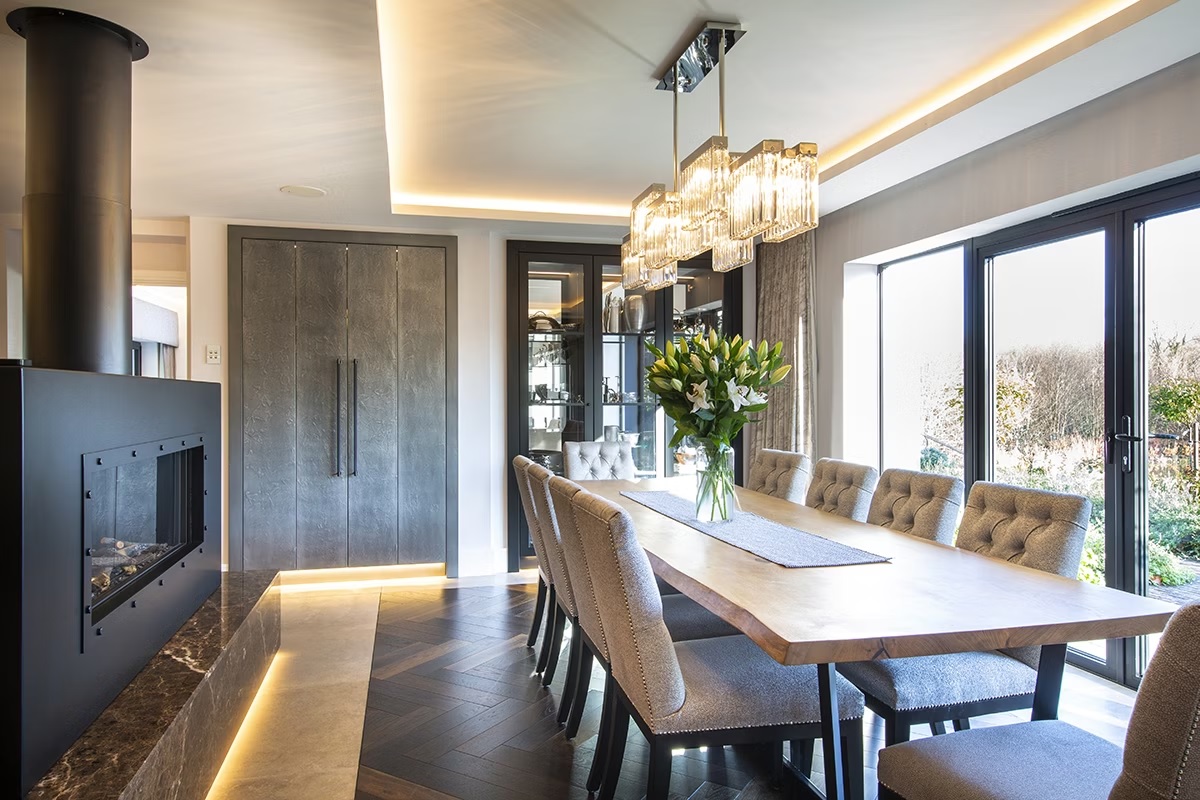
Lighting is often one of the most overlooked elements of home design, yet it plays an indispensable role in setting the tone and functionality of a space. The right lighting can transform any room, enhancing its aesthetic appeal, functionality, and overall atmosphere. Customizing your home’s lighting design allows you to tailor each space to your specific needs, whether it’s creating a warm, inviting atmosphere for gatherings or ensuring adequate task lighting in workspaces. Here’s how to personalize your lighting choices to achieve the perfect ambiance and functionality in your home.
1. Understand the Three Main Types of Lighting
To create an effective lighting design, it’s essential to understand the three primary types of lighting: ambient, task, and accent. Each serves a distinct purpose, and a well-balanced combination of these lighting types can ensure that your home feels both practical and beautiful.
- Ambient Lighting: This is the primary source of light for a room. It provides general illumination, allowing you to navigate your space safely and comfortably. Ambient lighting can come from ceiling-mounted fixtures, chandeliers, or recessed lighting. The key here is to create an even distribution of light across the room, ensuring no areas are too dark or too harshly lit.
- Task Lighting: As the name suggests, task lighting is focused on specific activities such as reading, cooking, or working. Desk lamps, under-cabinet lighting in kitchens, or pendant lights above work surfaces fall into this category. Task lighting should be bright enough to illuminate the task at hand without creating glare or shadows.
- Accent Lighting: Accent lighting is used to highlight specific features in your home, such as artwork, sculptures, or architectural details. Spotlights, track lighting, and wall sconces are excellent options for creating visual interest and drawing attention to particular areas. The key here is subtlety; accent lighting should complement the space, not overwhelm it.
By incorporating all three types of lighting in your home, you ensure a well-rounded design that enhances both function and aesthetics.
2. Tailor Lighting to Each Room’s Function
Each room in your home has different lighting needs based on its function, and customizing your lighting design for each space ensures maximum comfort and efficiency.
- Living Rooms and Dining Areas: These are spaces designed for relaxation and social interaction, so the lighting should feel inviting. Consider using dimmable overhead lights combined with table lamps or floor lamps for added warmth and flexibility. For dining areas, a statement chandelier or pendant light can add a touch of sophistication while providing ample illumination over the dining table.
- Kitchens: A functional kitchen requires adequate task lighting for meal preparation, cooking, and cleaning. Under-cabinet lighting is an excellent way to brighten countertops, while pendant lights above an island or dining nook can add both style and utility. Recessed lighting can provide general illumination without cluttering the space, making the kitchen feel open and airy.
- Bedrooms: Soft, ambient lighting is ideal for creating a relaxing and peaceful environment. Consider using wall sconces or bedside lamps with dimming options to control the mood. For closets or dressing areas, task lighting should be focused and bright to help with selecting clothing or getting dressed.
- Bathrooms: Bathrooms require a combination of task and ambient lighting. Bright overhead lighting can illuminate the entire room, while sconces on either side of the mirror will provide even, flattering light for grooming tasks. Recessed lighting in showers or tubs adds functionality without taking up space.
Each room should have lighting that suits both its function and ambiance, ensuring the space feels comfortable, efficient, and visually appealing.
3. Layer Your Lighting
Layering your lighting is one of the most effective ways to create depth and versatility in a room. Rather than relying on a single light source, consider multiple layers of light that you can control independently. For example, in a living room, you could have ambient lighting from overhead fixtures, task lighting from reading lamps, and accent lighting to highlight a piece of artwork or architectural feature.
Layered lighting offers flexibility, allowing you to adjust the brightness and mood of a room depending on the time of day or activity. The ability to dim lights or use different types of lighting sources creates a dynamic environment where you can go from functional and bright to soft and cozy with just a flick of a switch.
4. Use Smart Lighting for Custom Control
The rise of smart home technology has revolutionized how we control and customize lighting. Smart lighting systems allow you to control the brightness, color, and timing of your lights from your smartphone or voice assistant, giving you complete flexibility and control over your home’s lighting.
Smart bulbs, such as those from brands like Philips Hue or LIFX, offer a range of colors, allowing you to change the lighting to match the mood or time of day. For example, you can use cool, bright lighting for daytime activities and warm, soft tones for evenings or relaxed moments. Additionally, smart lighting can be programmed to automatically adjust based on your preferences, offering convenience and energy efficiency.
Integrating smart lighting into your design allows you to create a lighting plan that is both functional and customizable, adjusting to your needs in real-time.
5. Choose Lighting Fixtures That Reflect Your Style
The design and style of your lighting fixtures should complement the overall aesthetic of your home. Lighting is not just functional; it’s also a statement piece that can enhance the style of any room. Whether you prefer sleek and modern, traditional and elegant, or rustic and cozy, there are countless lighting fixture designs to suit your taste.
Consider using a statement chandelier in your entryway or dining room to make a bold impression. Pendant lights above kitchen islands or counters can add style while serving a practical purpose. For a more minimalist look, recessed lighting or track lighting can be used to keep the focus on other elements of the room. The fixtures you choose should blend seamlessly with your design, creating a cohesive look that enhances your home’s aesthetic while offering the functionality you need.
6. Consider the Environmental Impact
In today’s world, sustainability is a significant consideration in every aspect of home design, including lighting. Choosing energy-efficient light fixtures and bulbs, such as LED lights, can significantly reduce your energy consumption and costs over time. LEDs use less electricity and have a longer lifespan compared to traditional incandescent bulbs, making them an environmentally-friendly choice.
Additionally, consider incorporating daylight sensors or motion detectors to ensure that lights are only on when needed, reducing waste. By making sustainable lighting choices, you not only enhance the efficiency of your home but also contribute to a more eco-friendly environment.
7. Pay Attention to Lighting Placement
Strategic placement of your light fixtures is crucial to maximizing both style and functionality. Ensure that light sources are positioned where they can have the most impact. For example, in a living room, place accent lights near artwork or architectural features to highlight them. In the kitchen, task lighting should be positioned directly above work surfaces, such as counters or islands, to provide the brightest light where it’s needed most.
Lighting placement should complement the room’s layout, ensuring that no area is left too dim or over-lit. Proper placement not only improves visibility but also enhances the aesthetic flow of the space.
8. Experiment with Different Light Bulb Options
The type of light bulb you use can greatly affect the ambiance of a room. Different bulbs emit varying types of light, from warm to cool, and can create different moods depending on their color temperature. For a soft, cozy atmosphere, opt for bulbs with a lower color temperature (around 2700K), which emit a warm, yellowish glow. For bright, energizing light, choose bulbs with a higher color temperature (above 4000K), which emit a cooler, bluish light.
In certain areas, such as kitchens or bathrooms, a cooler light can enhance visibility and make the space feel fresh and clean. In contrast, bedrooms and living rooms may benefit from warmer tones that promote relaxation and comfort.
Conclusion
Customizing your home’s lighting design allows you to create a space that is not only functional but also reflective of your personal style. By understanding the different types of lighting, layering your fixtures, and tailoring your choices to each room’s purpose, you can transform your home into a well-lit, harmonious environment. Incorporating smart lighting and considering energy-efficient options further enhances the experience, offering both convenience and sustainability. With thoughtful design and attention to detail, your home’s lighting can serve as both a functional tool and a key design element that elevates the entire space.


Comments are closed.
-

Dive Into the Benefits of Swimming Lessons
May 16, 2024 -

Latest Posts
-

-

Elope in Charleston, SC for a Simple Destination Wedding
July 17, 2026 -

-

-

Recent Posts
- How to play crypto roulette with a coin you mined or earned rather than bought? September 17, 2026
- Elope in Charleston, SC for a Simple Destination Wedding July 17, 2026
- Essential Maintenance Solutions for Industrial Buildings in WA June 28, 2026
- The Best Reasons to Choose a Beachfront Pool Villa for Your Next Vacation June 11, 2026
- Innovative Lighting Solutions for Homes, Businesses, and Industrial Spaces May 19, 2026