Essential Plumbing Tools Every Homeowner Should Have
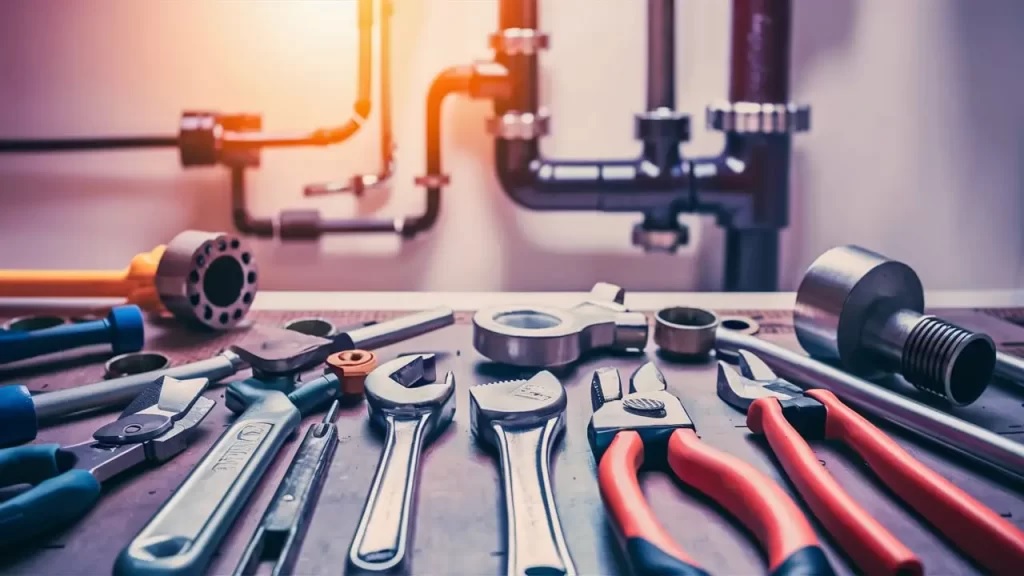
When it comes to home maintenance, plumbing is one of the areas that can easily lead to costly repairs if not handled promptly. Whether you’re dealing with a leaky faucet, a clogged drain, or a malfunctioning toilet, having the right tools on hand can make all the difference. This guide outlines the essential plumbing tools that every homeowner should have in their toolkit, ensuring you’re well-prepared to tackle minor repairs and maintenance tasks.
1. Adjustable Wrench
An adjustable wrench is a must-have for any plumbing job. This versatile tool allows you to grip and turn nuts and bolts of various sizes without needing multiple wrenches.
- Usage: It’s perfect for loosening and tightening plumbing fittings and fixtures. The adjustable jaw can accommodate different sizes, making it convenient for tasks like connecting or disconnecting pipes.
- Tip: Look for a wrench with a wide jaw opening for added versatility, allowing you to handle various fittings and components.
2. Pipe Wrench
For more robust plumbing tasks, a pipe wrench is indispensable. This tool is designed specifically for gripping and turning pipes.
- Usage: Ideal for removing or installing large fittings, such as those on water heaters or outdoor spigots, a pipe wrench provides the necessary leverage to handle tough jobs.
- Tip: Choose a pipe wrench with a sturdy grip and a long handle for better torque and easier maneuverability.
3. Plumber’s Tape
Also known as Teflon tape, plumber’s tape is crucial for creating watertight seals on threaded plumbing connections.
- Usage: Apply plumber’s tape to the threads of pipes before screwing them together to prevent leaks. It’s especially useful in areas where pipe connections are subject to vibrations.
- Tip: Use two to three wraps of tape for optimal sealing without making the connection overly thick.
4. Basin Wrench
A basin wrench is a specialized tool designed for tight spaces, making it ideal for working under sinks.
- Usage: This tool has a long handle and a pivoting jaw that allows you to easily reach and tighten or loosen nuts that hold sink faucets in place.
- Tip: Opt for a basin wrench with a comfortable grip to help prevent hand fatigue during extended use.
5. Plunger
A plunger is an essential tool for addressing clogs in sinks, toilets, and showers. It uses suction to dislodge blockages.
- Usage: For sinks and toilets, ensure you use the correct type of plunger. A flange plunger is designed specifically for toilets, while a cup plunger works best for flat surfaces like sinks.
- Tip: Always keep your plunger clean and in a designated spot to ensure it’s ready for use when needed.
6. Pipe Cutter
When dealing with copper or PVC pipes, a pipe cutter can make the job significantly easier.
- Usage: A pipe cutter allows for clean, straight cuts, which are essential for making proper connections and avoiding leaks. This tool is especially beneficial when you need to replace a section of pipe.
- Tip: Choose a pipe cutter that matches the size of the pipes you’re likely to work with, ensuring you can tackle various plumbing tasks.
7. Toilet Auger
A toilet auger is a specialized tool for clearing clogs in toilets.
- Usage: Unlike a standard plumber’s snake, a toilet auger is designed with a protective sleeve that prevents scratching the porcelain. It can navigate the bends in a toilet’s trap, effectively breaking up clogs.
- Tip: Always use the toilet auger carefully, as excessive force can damage the toilet’s internal mechanisms.
8. Utility Knife
A utility knife is a handy tool for various tasks, including cutting through tape, stripping wire, or opening packages of plumbing supplies.
- Usage: This tool is particularly useful for cutting flexible hoses, vinyl tubing, or even removing old caulk around fixtures.
- Tip: Keep a supply of replacement blades on hand to ensure your utility knife remains sharp and effective.
9. Flashlight
Good lighting is essential when working in dark or cramped spaces, such as under sinks or inside cabinets.
- Usage: A bright flashlight helps illuminate your work area, making it easier to see what you’re doing, especially when diagnosing plumbing issues.
- Tip: Consider a rechargeable or LED flashlight for longevity and brightness, and keep it stored with your plumbing tools for easy access.
10. Bucket
A sturdy bucket is essential for containing spills or catching water when working on plumbing fixtures.
- Usage: Use a bucket to catch drips when removing pipes or fixtures, preventing water damage to your floors.
- Tip: Keep a bucket near your plumbing supplies so it’s always accessible when you need it.
Conclusion
Having the right plumbing tools at your disposal can empower you to handle minor repairs and maintenance tasks efficiently. By investing in these essential tools, you not only save money on plumbing services but also gain confidence in managing your home’s plumbing issues. Regularly check your toolkit to ensure you have all the necessary items, and familiarize yourself with their uses. Armed with the right tools and knowledge, you’ll be well-equipped to tackle any plumbing challenge that comes your way.