Overtourism Management Strategies in Popular Urban Destinations
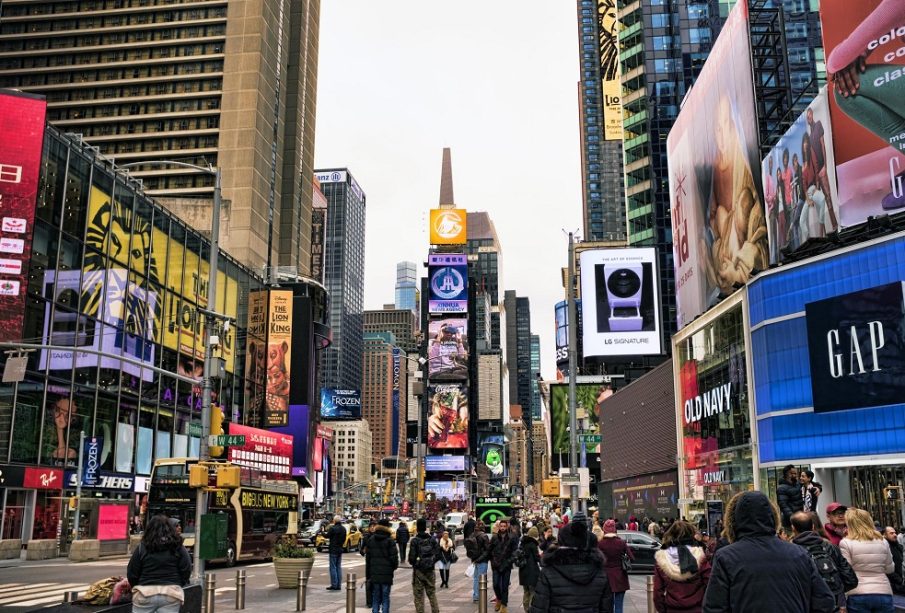
Overtourism has become a growing concern in many of the world’s most visited urban destinations. While tourism supports economic growth, cultural exchange, and infrastructure development, excessive visitor numbers can place pressure on local communities, transportation systems, housing markets, and historic landmarks. Cities that once welcomed tourism without hesitation are now adopting structured strategies to balance visitor demand with long term sustainability.
Managing overtourism requires coordinated planning between governments, residents, businesses, and tourism agencies. Effective strategies help protect cultural heritage, improve visitor experiences, and preserve urban livability without reducing the economic benefits that tourism provides.
Understanding the Causes of Overtourism in Cities
Urban destinations attract large numbers of travelers because they combine historical attractions, transportation access, entertainment districts, and cultural institutions in compact areas. When visitor numbers exceed a city’s capacity to manage infrastructure and services effectively, overtourism develops.
Common causes of overtourism include:
- Growth of low cost international travel
- Expansion of short term rental platforms
- Social media driven destination popularity
- Cruise ship tourism concentration
- Limited spatial distribution of attractions
- Seasonal travel peaks during holidays
Recognizing these drivers allows city planners to design targeted solutions that reduce pressure on crowded neighborhoods.
Impacts of Overtourism on Local Communities
Overtourism affects residents in ways that extend beyond crowded streets. Urban communities often experience rising housing costs, reduced access to public services, and changes in neighborhood identity when visitor numbers grow rapidly.
Typical community impacts include:
- Increased rental prices in central districts
- Noise and congestion in residential areas
- Pressure on public transportation networks
- Loss of traditional businesses
- Reduced access to cultural landmarks for residents
Addressing these challenges helps maintain long term support for tourism among local populations.
Infrastructure Planning as a Core Management Strategy
Cities experiencing high visitor volumes must invest in infrastructure that supports both residents and tourists. Improved planning ensures transportation networks, public facilities, and pedestrian systems remain efficient even during peak travel seasons.
Key infrastructure improvements include:
- Expanding public transit capacity
- Creating pedestrian friendly zones
- Improving wayfinding signage systems
- Increasing restroom and sanitation facilities
- Enhancing emergency response readiness
Infrastructure upgrades reduce congestion while improving the visitor experience.
Visitor Flow Management in Historic Districts
Historic neighborhoods often face the greatest pressure from overtourism because they contain iconic landmarks within limited geographic space. Managing visitor movement through these areas helps prevent overcrowding and protects fragile cultural sites.
Effective visitor flow strategies include:
- Timed entry systems for major attractions
- Controlled group tour scheduling
- One way pedestrian circulation routes
- Real time crowd monitoring technology
- Designated photo viewing platforms
These methods help distribute visitors more evenly throughout the day.
Regulating Short Term Rental Markets
Short term rental platforms can contribute to overtourism by reducing housing availability for residents. Cities are increasingly introducing regulations that balance tourism demand with housing stability.
Common regulatory approaches include:
- Limiting the number of rental days per year
- Requiring property registration systems
- Establishing zoning restrictions
- Enforcing occupancy limits
- Monitoring compliance through digital platforms
These policies help preserve residential communities while supporting responsible tourism activity.
Promoting Alternative Neighborhood Destinations
Encouraging visitors to explore less crowded districts reduces pressure on heavily visited areas while supporting broader economic development across the city.
Destination diversification strategies include:
- Highlighting emerging cultural districts
- Promoting neighborhood food experiences
- Supporting local artisan markets
- Expanding museum networks beyond city centers
- Developing waterfront or green space attractions
This approach spreads tourism benefits more evenly across urban environments.
Smart Technology Supporting Crowd Monitoring
Digital tools now play an important role in managing overtourism. Smart city technology allows planners to monitor visitor behavior and respond quickly to congestion challenges.
Examples of technology based solutions include:
- Real time mobility tracking systems
- Mobile navigation apps guiding visitor movement
- Digital attraction capacity alerts
- Interactive tourism dashboards
- Predictive visitor flow analytics
These systems help authorities make informed decisions during peak travel periods.
Sustainable Transportation Solutions for High Visitor Volumes
Transportation congestion often becomes one of the most visible effects of overtourism. Cities can reduce pressure on roads and transit systems by improving mobility planning for visitors.
Effective transportation strategies include:
- Expanding bicycle sharing programs
- Introducing electric shuttle routes
- Encouraging walking oriented tourism zones
- Limiting vehicle access near historic landmarks
- Integrating airport to city rail connections
Sustainable mobility improves both environmental conditions and visitor comfort.
Community Engagement in Tourism Planning Decisions
Residents play a critical role in shaping sustainable tourism strategies. Cities that involve communities in planning decisions are more likely to maintain long term support for tourism policies.
Community engagement efforts often include:
- Public consultation meetings
- Neighborhood advisory councils
- Resident feedback surveys
- Local business participation programs
- Cultural preservation partnerships
Including local perspectives strengthens policy effectiveness and builds trust between stakeholders.
Cultural Heritage Protection Measures
Urban heritage sites often face physical wear from heavy visitor traffic. Protecting these sites requires careful management practices that balance accessibility with preservation.
Heritage protection strategies include:
- Visitor capacity limits at sensitive landmarks
- Restoration funding from tourism revenue
- Protective walking surfaces near historic structures
- Interpretation centers outside fragile zones
- Educational awareness programs for visitors
Protecting cultural resources ensures cities maintain their identity for future generations.
Managing Cruise Tourism in Urban Ports
Cruise tourism can bring thousands of visitors into city centers within short time periods. Without planning, this sudden influx can overwhelm transportation systems and attractions.
Cities manage cruise visitor impact through:
- Coordinated docking schedules
- Shuttle distribution systems
- Guided route planning for group arrivals
- Partnerships with cruise operators
- Promotion of extended stay tourism instead of short visits
These approaches reduce crowd surges during peak arrival hours.
Seasonal Tourism Distribution Strategies
Many urban destinations experience strong seasonal tourism patterns that concentrate visitors during limited months of the year. Encouraging year round travel helps reduce pressure during peak seasons.
Seasonal balancing strategies include:
- Promoting off season cultural festivals
- Offering discounted attraction access during quieter months
- Expanding conference tourism programs
- Developing winter or shoulder season events
- Supporting indoor cultural experiences
Balanced visitation patterns improve infrastructure efficiency and economic stability.
Tourism Education Programs Supporting Responsible Travel Behavior
Educating visitors about respectful travel behavior helps reduce the negative effects of overtourism. Awareness campaigns encourage travelers to support local communities and follow city guidelines.
Responsible tourism education may include:
- Cultural etiquette information
- Environmental awareness messaging
- Public transportation usage guidance
- Waste reduction campaigns
- Respectful photography practices in residential areas
Informed travelers contribute positively to urban environments.
Data Driven Tourism Policy Development
Cities increasingly rely on data analysis to design effective overtourism management strategies. Evidence based planning allows decision makers to respond quickly to changing visitor patterns.
Data sources supporting tourism policy include:
- Mobile location tracking insights
- Accommodation occupancy statistics
- Transportation usage patterns
- Attraction entry records
- Visitor satisfaction surveys
These insights support flexible policy adjustments over time.
Economic Diversification Supporting Sustainable Tourism Models
Cities that rely heavily on tourism revenue may face challenges when visitor numbers fluctuate. Diversifying urban economies helps reduce dependence on tourism while maintaining financial stability.
Economic diversification strategies include:
- Supporting creative industries
- Expanding technology sector investment
- Encouraging education based travel programs
- Promoting business tourism conferences
- Developing research and innovation hubs
Balanced economies strengthen long term urban resilience.
Long Term Urban Planning Supporting Tourism Sustainability
Sustainable tourism management requires coordination between transportation planning, housing policy, environmental protection, and cultural preservation strategies.
Integrated planning priorities include:
- Protecting residential neighborhoods
- Expanding green public spaces
- Strengthening public transit connectivity
- Preserving historic districts
- Encouraging mixed use development
Long term planning ensures cities remain welcoming for both residents and visitors.
The Future of Overtourism Management in Global Cities
Urban destinations will continue adapting to changing travel patterns as international tourism evolves. Advances in digital monitoring, sustainable infrastructure design, and community engagement models are shaping future strategies that support balanced tourism growth.
Cities that invest in proactive planning will be better prepared to maintain cultural integrity, improve visitor satisfaction, and protect local quality of life.
FAQ Section
What is the difference between overtourism and high tourism demand
High tourism demand refers to strong visitor interest, while overtourism occurs when visitor numbers exceed a destination’s capacity to manage infrastructure and community needs effectively.
Can overtourism affect small cities as well as major capitals
Yes smaller cities with limited infrastructure can experience overtourism even more quickly than large metropolitan destinations.
How do cities measure whether overtourism is occurring
Cities analyze visitor numbers, transportation congestion levels, housing availability data, and resident feedback to assess tourism pressure.
Are tourist taxes effective in managing overtourism
Tourist taxes can support infrastructure improvements and heritage protection programs that help cities manage visitor impacts more sustainably.
Why is neighborhood level planning important for tourism management
Tourism impacts vary across districts, so neighborhood level planning allows targeted solutions that address local conditions more effectively.
How can businesses contribute to overtourism solutions
Local businesses can promote responsible visitor behavior, support off peak travel campaigns, and participate in community based tourism initiatives.
Do tourists respond positively to visitor management policies
Many travelers support sustainability policies when they understand that these measures protect cultural heritage and improve overall travel experiences.