Digital Nomad Infrastructure Supporting Remote Work Travel
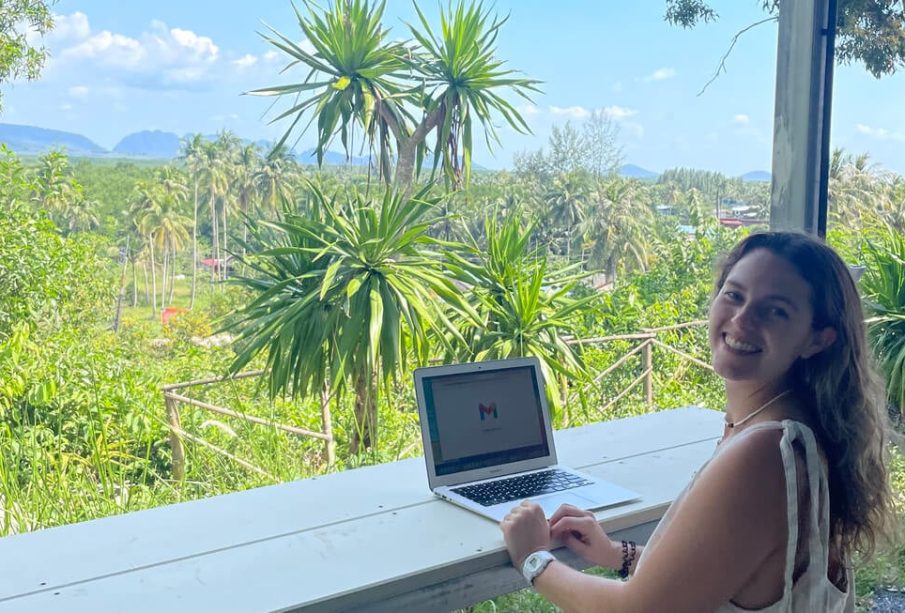
The rise of remote work has transformed how professionals approach travel and employment. Digital nomads are no longer limited to traditional offices or fixed locations. Instead, they rely on flexible infrastructure that supports productivity across cities, countries, and continents. As remote work continues expanding across industries, digital nomad infrastructure has become an essential foundation for sustaining professional mobility without sacrificing performance or connectivity.
Reliable infrastructure allows remote professionals to maintain stable workflows, access communication tools, protect sensitive data, and collaborate globally while traveling. Understanding how this infrastructure functions helps remote workers choose destinations wisely and maintain consistent productivity wherever they go.
What Digital Nomad Infrastructure Means Today
Digital nomad infrastructure refers to the physical and digital systems that enable professionals to work efficiently while traveling. It combines connectivity tools, workspace availability, housing flexibility, payment systems, and legal support services that allow individuals to operate across borders.
Modern digital nomad infrastructure includes:
- High speed internet access
- Coworking environments
- Remote friendly accommodations
- Global payment solutions
- Visa programs supporting remote workers
- Reliable transportation networks
These components work together to create a stable environment for location independent professionals.
High Speed Internet as the Foundation of Remote Work Mobility
Reliable internet connectivity remains the most critical requirement for digital nomads. Without consistent access to high speed networks, remote collaboration becomes difficult and productivity declines quickly.
Essential connectivity features include:
- Fiber broadband availability in major cities
- Strong mobile data coverage
- Affordable data packages for travelers
- Backup internet solutions such as portable hotspots
Many digital nomads evaluate destinations primarily based on internet reliability before making travel decisions. Cities with strong digital infrastructure attract more remote professionals and support longer stays.
Coworking Spaces Supporting Professional Productivity
Coworking spaces play a central role in digital nomad infrastructure. They provide structured environments that support concentration, collaboration, and networking opportunities.
Coworking spaces typically offer:
- Dedicated desks and private meeting rooms
- High speed internet connections
- Printing and office equipment access
- Community networking events
- Quiet zones for focused work
These environments help remote workers maintain professional routines even while traveling frequently.
Flexible Accommodation Designed for Remote Workers
Housing options adapted for remote professionals have expanded significantly in recent years. Many accommodations now include workspace features that support productivity.
Remote friendly accommodation often provides:
- Ergonomic work desks
- Reliable internet access
- Extended stay discounts
- Quiet work environments
- Access to shared office amenities
Apartment rentals designed for remote workers allow digital nomads to balance comfort with professional needs during longer stays.
Digital Nomad Visa Programs Supporting Long Term Travel
Governments increasingly recognize the economic benefits of attracting remote professionals. As a result, many countries now offer visa programs specifically designed for digital nomads.
These visa programs typically allow:
- Extended stays beyond tourist limits
- Legal remote employment with foreign companies
- Access to local services
- Greater housing flexibility
Countries introducing digital nomad visas strengthen their appeal as remote work destinations while supporting local economies through long term visitor spending.
Global Payment Systems Enabling Cross Border Work
Digital nomads often earn income from clients or employers located in different countries. Efficient payment infrastructure is essential for managing international financial activity.
Reliable payment solutions include:
- Multi currency digital banking platforms
- Online invoicing systems
- International transfer services
- Secure expense tracking applications
These tools allow professionals to maintain financial stability while working across multiple regions.
Transportation Networks Supporting Mobility Between Work Destinations
Efficient transportation infrastructure helps digital nomads transition smoothly between locations. Reliable transit systems reduce travel stress and improve productivity planning.
Important transportation features include:
- International airport connectivity
- Urban public transportation networks
- Ride sharing services
- Intercity rail systems
Destinations with strong transportation access allow remote workers to manage travel schedules without disrupting professional commitments.
Cloud Based Tools Enabling Remote Collaboration Anywhere
Cloud computing platforms support nearly every aspect of remote work travel. These tools allow digital nomads to access files, collaborate with teams, and maintain project continuity regardless of location.
Cloud based infrastructure supports:
- Real time document collaboration
- Secure data storage
- Video conferencing systems
- Task management platforms
- Team communication channels
These services ensure that remote professionals remain connected to their organizations from anywhere in the world.
Cybersecurity Infrastructure Protecting Mobile Professionals
Working across multiple networks introduces cybersecurity risks that digital nomads must manage carefully. Secure infrastructure protects both personal and organizational data while traveling.
Important cybersecurity practices include:
- Using virtual private networks
- Enabling multi factor authentication
- Avoiding unsecured public networks
- Encrypting sensitive data transmissions
Strong digital security habits help maintain trust between remote professionals and their employers or clients.
Healthcare Access as Part of Digital Nomad Infrastructure
Healthcare availability plays a critical role in supporting long term remote travel. Digital nomads often rely on international insurance providers that offer flexible coverage across multiple destinations.
Healthcare infrastructure considerations include:
- Access to international clinics
- Availability of travel insurance coverage
- Emergency medical services reliability
- Telehealth consultation options
Access to dependable healthcare services allows remote workers to travel with confidence.
Local Community Networks Supporting Professional Integration
Digital nomad communities often form informal support networks in popular remote work destinations. These communities help newcomers adapt quickly to unfamiliar environments.
Community support benefits include:
- Networking opportunities with other professionals
- Local workspace recommendations
- Housing guidance
- Social interaction opportunities
Strong community infrastructure improves both productivity and lifestyle satisfaction for remote workers.
Cost of Living Infrastructure Influencing Destination Choices
Affordable living costs remain an important factor when selecting remote work destinations. Digital nomads often evaluate expenses related to housing, transportation, food, and workspace access before relocating.
Cost related considerations include:
- Rental pricing stability
- Coworking membership affordability
- Transportation expenses
- Food availability and pricing
Destinations offering balanced affordability and strong infrastructure often attract larger digital nomad populations.
Time Zone Compatibility Supporting Global Collaboration
Working across international time zones introduces scheduling challenges that influence destination selection. Infrastructure supporting flexible work hours helps professionals maintain communication with distributed teams.
Time zone considerations include:
- Overlap with employer working hours
- Availability of late evening workspaces
- Reliable nighttime transportation options
- Flexible coworking access hours
Careful planning helps digital nomads maintain productivity while traveling across regions.
The Role of Smart Cities in Supporting Remote Work Travel
Smart city development contributes significantly to digital nomad infrastructure by improving connectivity, transportation efficiency, and public service access.
Smart city advantages include:
- Public wireless internet coverage
- Integrated transportation apps
- Digital government services
- Energy efficient urban planning
These improvements create environments that support both short term visitors and long term remote professionals.
Future Trends Shaping Digital Nomad Infrastructure
Digital nomad infrastructure continues evolving as remote work becomes a permanent feature of global employment. Governments, technology providers, and urban planners are expanding services designed specifically for location independent professionals.
Future developments may include:
- Expanded remote worker visa programs
- Increased coworking availability in smaller cities
- Improved mobile connectivity technologies
- Integrated global healthcare coverage options
- Enhanced international payment interoperability
These developments will strengthen the ability of professionals to maintain productive travel based careers.
FAQ Section
How do digital nomads choose destinations with reliable infrastructure
Many remote professionals evaluate internet speed data, coworking availability, housing quality, and transportation accessibility before selecting travel locations.
Are smaller cities becoming suitable for digital nomads
Yes many smaller cities are improving connectivity and workspace availability, making them increasingly attractive alternatives to major urban centers.
Do digital nomads need specialized insurance coverage
International travel insurance designed for remote workers provides flexible coverage across multiple destinations and supports long term mobility.
How important are local banking services for remote workers
Local banking access can simplify daily expenses, but many digital nomads rely primarily on international digital banking platforms.
Can remote workers maintain productivity while traveling frequently
Yes consistent routines, reliable connectivity tools, and structured workspace access allow digital nomads to maintain professional performance across locations.
What role do coworking memberships play in long term travel planning
Coworking memberships provide stable workspace access and community support that help maintain productivity during extended stays abroad.
Are digital nomad communities helpful for first time remote travelers
Community networks often provide valuable guidance about housing, workspace options, and local services that support smoother transitions between destinations.