How Regular Maintenance Extends Engine Life
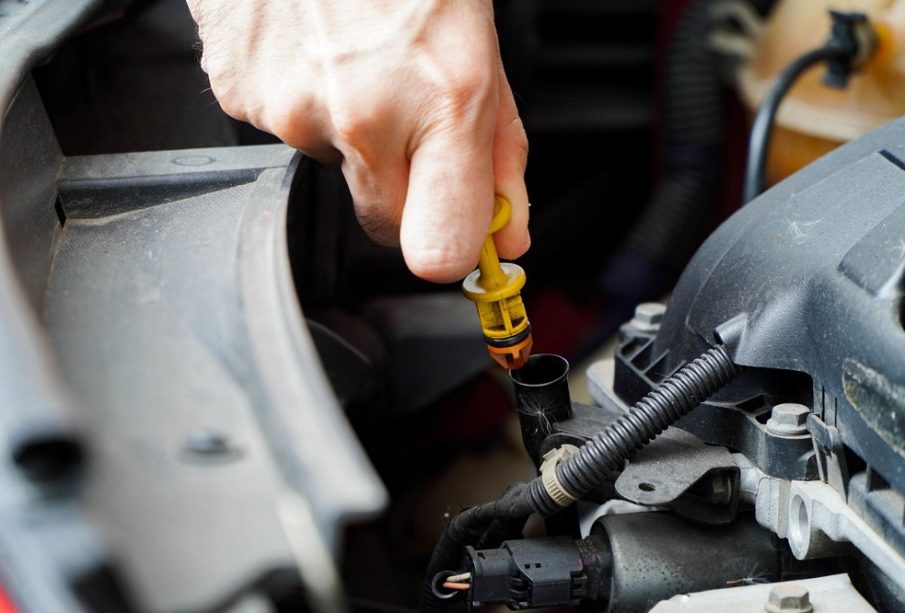
Vehicle engines are complex mechanical systems designed to operate under intense heat, pressure, and friction. While modern engines are engineered for durability, their longevity depends heavily on consistent maintenance. Regular service not only prevents premature wear but also preserves performance, fuel efficiency, and reliability over the life of the vehicle.
Understanding how routine care protects internal components allows drivers to make smarter decisions that reduce repair costs and extend engine lifespan significantly.
Why Engine Maintenance Matters More Than Most Drivers Realize
An engine contains hundreds of moving parts working together at high speeds. Even minor neglect can accelerate wear and lead to expensive failures. Preventive maintenance helps keep lubrication systems effective, temperatures stable, and contaminants under control.
Key benefits of routine engine maintenance include:
- Reduced internal friction between moving components
- Improved combustion efficiency
- Lower risk of overheating
- Better fuel economy
- Longer service intervals between major repairs
- Higher resale value
Engines that receive consistent maintenance often last hundreds of thousands of miles longer than neglected ones.
Oil Changes Protect Internal Engine Components
Engine oil plays the most important role in preserving engine life. It lubricates moving parts, reduces friction, carries away heat, and removes microscopic debris created during combustion.
When oil becomes dirty or degraded, it loses its ability to protect engine components effectively.
How Clean Oil Extends Engine Life
Fresh engine oil supports long term reliability by:
- Reducing metal to metal contact
- Preventing sludge buildup
- Maintaining proper engine temperature
- Protecting piston rings and cylinder walls
- Supporting smooth valve operation
Skipping oil changes allows contaminants to circulate through the engine, accelerating wear on critical components.
Recommended Oil Change Intervals
Oil change frequency depends on vehicle type, oil quality, and driving conditions. General guidelines include:
- Every 5,000 to 7,500 miles for conventional oil
- Every 7,500 to 10,000 miles for synthetic oil
- More frequent changes under heavy driving conditions
Regular oil inspections help detect issues before they develop into major repairs.
Cooling System Maintenance Prevents Overheating Damage
Heat is one of the most destructive forces affecting engine durability. Without a properly functioning cooling system, engine temperatures rise quickly and cause severe internal damage.
Routine cooling system maintenance protects essential components such as:
- Cylinder heads
- Pistons
- Gaskets
- Engine block surfaces
Coolant absorbs excess heat and transfers it away from sensitive areas. Over time, coolant loses effectiveness and must be replaced according to manufacturer recommendations.
Drivers should monitor warning signs such as rising temperature gauges, coolant leaks, or unusual odors near the engine compartment.
Air Filter Replacement Supports Efficient Combustion
Engines require a precise mixture of air and fuel to operate efficiently. The engine air filter prevents dust and debris from entering combustion chambers while allowing sufficient airflow.
A clogged air filter restricts oxygen supply and causes:
- Reduced fuel efficiency
- Sluggish acceleration
- Increased carbon deposits
- Higher engine strain
Replacing air filters at recommended intervals improves combustion efficiency and helps engines operate smoothly for longer periods.
Vehicles driven in dusty or urban environments may require more frequent air filter replacement.
Fuel System Maintenance Keeps Injectors Performing Properly
Fuel injectors deliver precise amounts of fuel into the combustion chamber. Over time, deposits can accumulate inside injectors and reduce their effectiveness.
Cleaning the fuel system supports engine longevity by:
- Maintaining balanced fuel delivery
- Preventing incomplete combustion
- Reducing engine knocking
- Improving throttle response
Using high quality fuel and periodic injector cleaning treatments helps protect internal engine components from unnecessary strain.
Spark Plug Replacement Ensures Reliable Ignition
Spark plugs ignite the air fuel mixture inside combustion chambers. Worn spark plugs weaken ignition performance and reduce engine efficiency.
Symptoms of worn spark plugs include:
- Rough engine idle
- Difficulty starting
- Reduced fuel economy
- Engine misfires
Replacing spark plugs at recommended intervals ensures proper combustion and protects pistons from uneven pressure buildup.
Maintaining strong ignition performance reduces stress on internal components and improves engine longevity.
Timing System Maintenance Prevents Catastrophic Failures
Timing belts and timing chains synchronize engine valve movement with piston motion. Failure of these components can result in severe engine damage.
Timing belt replacement intervals vary depending on manufacturer specifications, but most vehicles require replacement between 60,000 and 100,000 miles.
Ignoring timing system service may cause:
- Bent valves
- Damaged pistons
- Cylinder head damage
- Complete engine failure
Preventive replacement protects engines from costly mechanical breakdowns.
Monitoring Fluid Levels Protects Internal Systems
Engines depend on several supporting fluids to operate safely and efficiently. Checking fluid levels regularly helps prevent internal damage and performance loss.
Important fluids to monitor include:
- Engine oil
- Coolant
- Transmission fluid
- Power steering fluid
- Brake fluid
Low fluid levels increase mechanical strain and raise operating temperatures.
Routine inspections allow drivers to identify leaks early and avoid expensive repairs.
Regular Inspections Detect Problems Before They Escalate
Professional inspections help identify developing mechanical issues that drivers may not notice during daily operation.
Technicians examine critical engine components such as:
- Belts and hoses
- Sensors
- Seals
- Gaskets
- Electrical connections
Early detection reduces repair costs and prevents unexpected breakdowns.
Inspection records also support long term vehicle reliability and resale value.
Driving Habits That Influence Engine Lifespan
Maintenance alone cannot protect an engine if driving habits place excessive stress on internal components. Responsible driving behavior contributes significantly to engine durability.
Helpful driving practices include:
- Avoiding aggressive acceleration
- Reducing sudden braking
- Allowing engines to warm gradually in cold weather
- Maintaining steady highway speeds
- Avoiding excessive idling
These habits reduce wear on pistons, bearings, and valve systems.
Consistent driving discipline supports smoother engine performance over time.
Using High Quality Parts Improves Maintenance Results
Choosing quality replacement components makes a noticeable difference in engine longevity. Low grade filters and fluids often fail to provide adequate protection.
High quality maintenance parts typically offer:
- Better filtration performance
- Improved heat resistance
- Longer service intervals
- Stronger durability under stress
Investing in reliable parts supports consistent engine protection across the life of the vehicle.
Following Manufacturer Service Schedules Extends Engine Reliability
Vehicle manufacturers design maintenance schedules based on extensive engineering research and performance testing.
Service schedules include recommendations for:
- Oil changes
- Filter replacement
- Timing system inspections
- Cooling system service
- Spark plug replacement
Following these intervals ensures engines receive the care required for optimal performance and durability.
Ignoring recommended maintenance increases long term repair costs and shortens engine lifespan.
Warning Signs That Indicate Immediate Maintenance Is Needed
Recognizing early warning signs helps drivers prevent severe mechanical damage.
Important indicators include:
- Engine knocking sounds
- Increased exhaust smoke
- Oil warning lights
- Overheating temperature readings
- Reduced acceleration performance
- Rough engine idle
Addressing these symptoms quickly prevents further damage and preserves engine reliability.
Routine attention to warning signals supports long term vehicle dependability.
Long Term Financial Benefits of Regular Engine Maintenance
Maintaining an engine consistently provides measurable economic advantages over the lifetime of a vehicle.
Drivers benefit through:
- Lower repair expenses
- Improved fuel efficiency
- Reduced roadside emergencies
- Longer vehicle ownership cycles
- Higher resale value
Preventive maintenance costs significantly less than replacing major engine components.
Investing in regular service remains one of the most effective strategies for protecting vehicle value.
FAQ Section
How often should engine coolant be replaced in most vehicles
Most vehicles require coolant replacement every 30,000 to 60,000 miles, though manufacturer recommendations should always be followed.
Can short trips affect engine lifespan
Frequent short trips prevent engines from reaching optimal operating temperature, which can increase moisture buildup and accelerate internal wear.
Does using premium fuel extend engine life in standard vehicles
Premium fuel typically does not extend engine life unless the vehicle manufacturer specifically recommends it.
How important is warming up an engine before driving in cold weather
Allowing a brief warm up period improves oil circulation and protects internal engine components during cold starts.
Can engine additives replace regular maintenance
Engine additives cannot substitute for scheduled maintenance and should only be used as supplemental support when appropriate.
What role does engine load play in long term durability
Consistently carrying excessive loads increases stress on pistons, bearings, and cooling systems, which may shorten engine lifespan.
Is professional inspection necessary even if no problems appear
Professional inspections help detect hidden issues early and ensure engines remain in proper operating condition over time.