The Experience of Shopping in Modern Malls
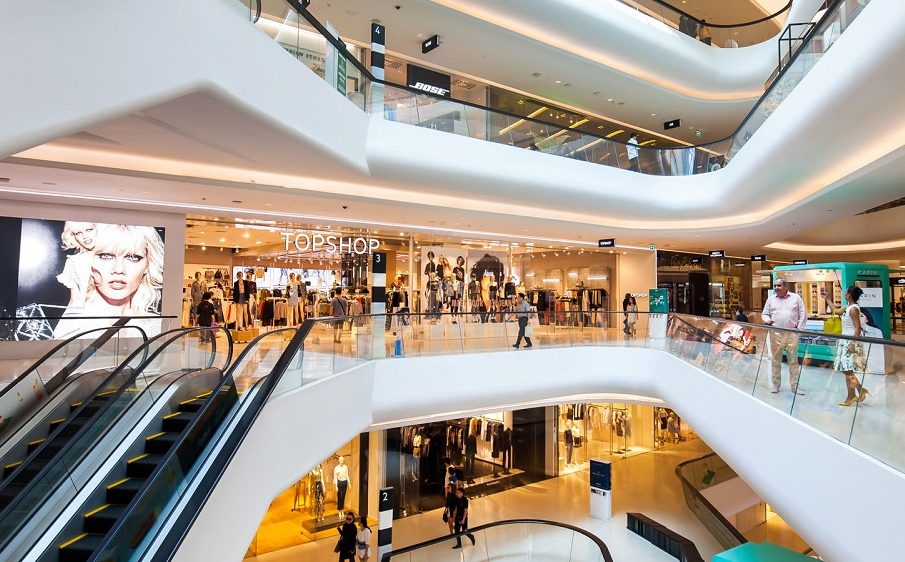
Modern shopping malls have evolved far beyond their original purpose as simple retail centers. Today, they function as social hubs, entertainment destinations, dining zones, and lifestyle spaces that reflect changing consumer expectations. The experience of visiting a modern mall combines convenience, leisure, and technology in ways that traditional shopping streets rarely provide.
As urban lifestyles become faster and more connected, malls continue adapting to serve not only shoppers but also families, professionals, and tourists seeking comfort, variety, and engagement in a single destination.
The Transformation of Traditional Shopping Spaces
Earlier shopping centers focused mainly on retail stores arranged in enclosed corridors. Modern malls, however, are designed as integrated lifestyle environments that combine architecture, entertainment, dining, and technology.
Key elements that define contemporary malls include:
- Large open atriums with natural lighting
- Climate controlled interiors for year round comfort
- Diverse retail categories in one location
- Entertainment zones for all age groups
- Integrated dining areas with multiple cuisine options
These improvements have turned malls into multi purpose destinations rather than simple shopping venues.
Architectural Design Enhances Visitor Comfort
One of the most noticeable features of modern malls is their architectural planning. Designers now prioritize spacious layouts, clear navigation paths, and visually appealing interiors that encourage visitors to spend more time inside.
Modern architectural features often include:
- Wide walkways for comfortable movement
- Glass ceilings allowing natural light entry
- Rest areas with seating zones
- Indoor greenery and decorative installations
- Efficient elevator and escalator placement
These design choices create a relaxed environment that supports longer visits and improves the overall shopping experience.
Retail Variety Creates a One Stop Shopping Destination
Modern malls bring together multiple product categories under one roof. Visitors can purchase everyday essentials, luxury goods, electronics, clothing, and home items without traveling between different locations.
Typical retail categories found in modern malls include:
- Fashion and accessories
- Electronics and gadgets
- Home furnishing products
- Beauty and personal care items
- Sports equipment and lifestyle products
This variety reduces travel time and allows shoppers to compare brands easily.
Dining Options Add Value to the Mall Experience
Food courts and restaurants are essential components of modern malls. Dining spaces attract visitors who may not initially plan to shop but still contribute to mall activity.
Food zones typically include:
- Quick service restaurants for fast meals
- Casual dining spaces for families
- Coffee shops for social meetings
- International cuisine options
- Dessert and snack counters
These dining choices extend visit duration and transform malls into social gathering places.
Entertainment Facilities Attract Diverse Age Groups
Entertainment zones are one of the biggest reasons people visit malls today. Families, teenagers, and young professionals often choose malls for recreation rather than only shopping.
Popular entertainment features include:
- Multiplex movie theaters
- Indoor gaming centers
- Children activity zones
- Virtual reality experiences
- Bowling alleys
These attractions increase foot traffic and make malls appealing to a wider audience.
Technology Improves Convenience and Navigation
Technology plays an important role in shaping the modern mall experience. Digital tools help visitors move efficiently and access services quickly.
Common technological features in malls include:
- Interactive digital directories
- Smart parking guidance systems
- Mobile app navigation support
- Contactless payment options
- Digital loyalty programs
These systems simplify shopping and reduce waiting time during busy hours.
Climate Controlled Interiors Provide Year Round Comfort
One major advantage of modern malls is the controlled indoor environment. Regardless of outdoor weather conditions, visitors can shop comfortably in air conditioned spaces.
Benefits of climate controlled environments include:
- Comfortable walking conditions during extreme temperatures
- Protection from rain and seasonal weather changes
- Improved shopping concentration
- Increased time spent inside retail areas
This feature is especially valuable in regions with intense summers or cold winters.
Family Friendly Facilities Improve Accessibility
Modern malls are designed to accommodate visitors of all ages. Families with children and elderly individuals benefit from accessibility focused infrastructure.
Common family friendly features include:
- Baby care rooms
- Wheelchair access ramps
- Elevators near entrances
- Rest zones for seniors
- Dedicated play areas for children
These facilities ensure that shopping remains convenient for everyone.
Events and Seasonal Activities Increase Engagement
Malls frequently organize promotional events and seasonal celebrations that attract visitors beyond routine shopping needs. These events create excitement and strengthen customer loyalty.
Examples of mall events include:
- Holiday themed decorations
- Cultural festivals
- Product launch showcases
- Live performances
- Weekend workshops
Such activities transform malls into community interaction spaces rather than simple commercial centers.
Safety and Security Build Customer Confidence
Modern malls invest heavily in safety infrastructure to ensure a secure environment for visitors. Security planning supports both comfort and trust.
Common safety measures include:
- Surveillance camera networks
- Emergency response systems
- Fire safety equipment
- Security personnel at entrances
- Controlled parking access points
These features encourage families and individuals to visit malls with confidence.
Parking Facilities Simplify the Shopping Journey
Convenient parking plays a major role in shaping visitor satisfaction. Modern malls typically provide structured parking systems that support smooth vehicle movement.
Parking improvements often include:
- Multi level parking structures
- Digital parking availability indicators
- Reserved spaces for families and seniors
- Clear directional signage
- Electric vehicle charging stations
Efficient parking reduces entry stress and improves the overall experience.
Social Interaction Makes Malls Community Spaces
Shopping malls are no longer limited to retail activity. They function as meeting places where people gather for conversations, celebrations, and leisure time.
Visitors often use malls for:
- Meeting friends after work
- Weekend family outings
- Casual business discussions
- Celebrating special occasions
- Relaxing in public indoor environments
This social dimension strengthens the cultural importance of malls in urban life.
Integration of Global and Local Brands Expands Choices
Modern malls combine international retailers with regional businesses to create balanced shopping environments. This mix allows visitors to explore both global trends and local craftsmanship.
Benefits of brand diversity include:
- Exposure to international fashion styles
- Access to regional specialty products
- Competitive pricing options
- Unique shopping experiences
The combination supports both global commerce and local entrepreneurship.
Cleanliness and Maintenance Influence Visitor Satisfaction
Regular maintenance ensures that malls remain comfortable and attractive. Clean surroundings contribute strongly to positive customer impressions.
Maintenance priorities typically include:
- Clean flooring and corridors
- Well maintained restrooms
- Organized waste disposal systems
- Functional lighting infrastructure
- Regular seating area upkeep
High cleanliness standards encourage repeat visits and longer stays.
The Future of Shopping in Modern Mall Environments
Shopping malls continue evolving as consumer expectations change. Future developments will likely emphasize personalization, sustainability, and digital integration.
Expected improvements may include:
- Smart navigation through mobile connectivity
- Energy efficient building systems
- Expanded experiential retail spaces
- Interactive digital shopping assistance
- Enhanced entertainment integration
These innovations will strengthen the role of malls as lifestyle destinations rather than simple retail centers.
FAQ Section
How do modern malls support small local businesses
Many malls allocate retail spaces for regional brands and specialty stores, helping smaller businesses reach larger customer audiences.
Why do people spend more time in malls compared to traditional markets
Modern malls combine shopping, dining, entertainment, and relaxation facilities in one location, encouraging longer visits.
Are modern malls designed differently from older shopping centers
Yes, newer malls focus more on open layouts, visitor comfort, digital services, and mixed use spaces that support multiple activities.
How do malls manage large weekend crowds efficiently
Crowd management systems include organized parking layouts, multiple entrances, digital directories, and trained security staff.
Do malls influence urban development in surrounding areas
Large malls often increase nearby property value, improve infrastructure investment, and attract additional commercial activity.
How do malls remain attractive despite the growth of online shopping
Malls provide physical experiences such as entertainment, dining, and social interaction that online platforms cannot fully replicate.
What role do malls play in tourism within major cities
Modern malls attract tourists by offering international brands, cultural events, dining experiences, and climate controlled environments suitable for extended visits.